
2026 Cost of Living, Visa, Healthcare, & What to Expect
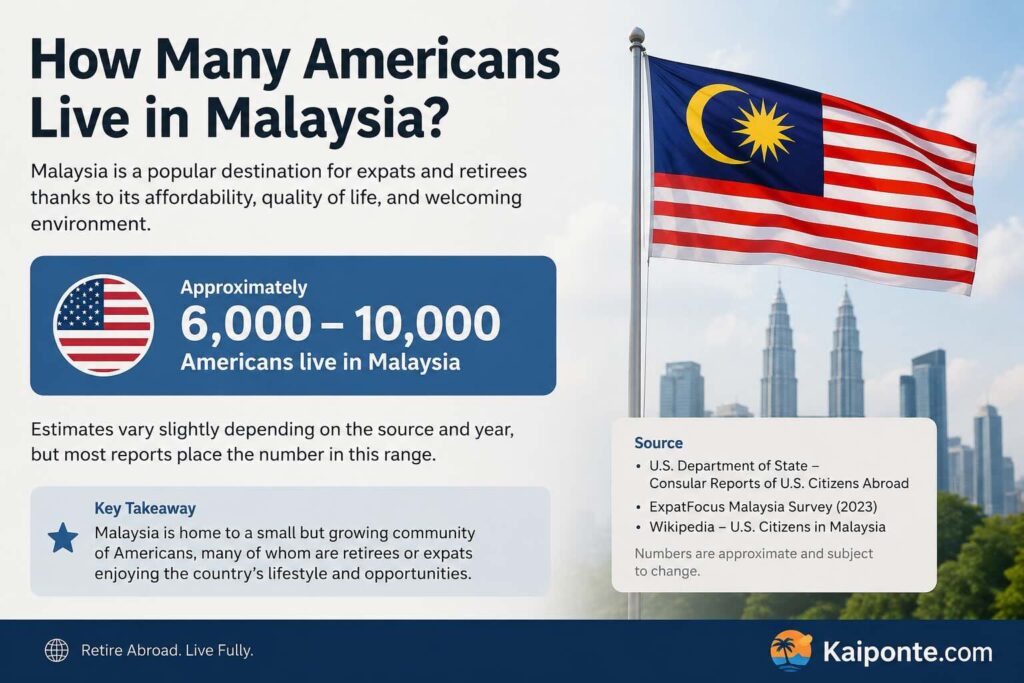
One of the lesser known areas for American Retirees to move is the country of Malaysia. While on the complete other side of the world from the United States, Malaysia is beautiful. I have not personally travelled to Malaysia but intend to in the near future. While Malaysia is a popular destination for non-Americans, I’ve found that Malaysia tends to fly under the radar in retirement discussions, and I’m not entirely sure why. It consistently ranks among the best values in the world for retirees, yet it rarely gets the same attention as some of the more familiar destinations. If your goal is to stretch your retirement dollars without giving up modern conveniences, Malaysia deserves a place on your shortlist. As of right now, there are only about 10,000 Americans living there, which makes it an ideal location for you.
If you’ve been researching places to retire overseas, you’ve probably heard the usual recommendations: Mexico, Portugal, Costa Rica, Panama, or Spain. But tucked away in Southeast Asia, Malaysia offers modern cities, excellent healthcare, affordable living, incredible food, and a surprisingly easy lifestyle for English speakers.
I’ve found that Malaysia tends to fly under the radar in retirement discussions, and I’m not entirely sure why. It consistently ranks among the best values in the world for retirees, yet it rarely gets the same attention as some of the more familiar destinations. If your goal is to stretch your retirement dollars without giving up modern conveniences, Malaysia deserves a place on your shortlist.
Of course, no country is perfect. Malaysia isn’t a tropical fantasy where every day feels like a vacation, and it’s certainly not the right fit for everyone. The tropical climate is hot and humid year-round, it’s a long flight back to the United States, and visa rules have changed over the years. Like any retirement destination, it comes with trade-offs that deserve careful consideration.
That’s exactly what this guide is about.
I’m not one of those people who state all will be perfect overseas. It should (and will) be better in many ways, but there will be issues. Rather than selling a dream, I want to give you a realistic look at what retiring in Malaysia is actually like in 2026. I’ll explore what you can expect to spend each month, how the healthcare system compares to the United States, what visa options are available for long-term stays, and which cities are most popular with expats. I’ll also cover some of the biggest misconceptions Americans have about Malaysia and explain why this country continues to attract retirees looking for a high quality of life at a fraction of U.S. costs.
This article is a companion to my YouTube video, “Retirement in Malaysia 2026: Cost of Living, Visa, Healthcare,” on Retire Without Borders, where I help Americans explore the realities of retiring overseas safely, realistically, and with fewer surprises. I encourage you to watch the video on my YouTube channel, Retire Without Borders, for a good overview.
So, is Malaysia one of the best retirement destinations in the world for 2026?
Let’s take a closer look and find out.
Why More Americans Are Looking at Malaysia
Discuss:
- Why Malaysia has become increasingly popular
- Stable infrastructure
- English widely spoken
- Friendly locals
- Modern conveniences
- Excellent internet
- Easy access to Southeast Asia
- Diverse culture (Malay, Chinese, Indian influences)
Cost of Living in Malaysia
For many Americans, the biggest reason to consider retiring overseas is simple: making their retirement savings last longer. Malaysia excels in this area. While costs have increased somewhat in recent years—as they have almost everywhere in the world—it remains one of the best values for retirees seeking a comfortable lifestyle without sacrificing modern conveniences.
The amount you’ll spend depends largely on where you choose to live and the lifestyle you want. A retiree who enjoys local restaurants, shops at neighborhood markets, and rents a modest apartment will spend far less than someone living in a luxury condominium in downtown Kuala Lumpur. The good news is that Malaysia offers options for nearly every budget.
Housing
Housing is typically the largest expense, but it’s also where many retirees realize the greatest savings compared to the United States.
In Kuala Lumpur, modern high-rise condominiums often include amenities that would be considered luxuries back home—swimming pools, fitness centers, gated security, covered parking, and beautifully maintained common areas. Outside the city center, it’s possible to rent a comfortable one- or two-bedroom condominium for well under what many Americans pay for a small apartment in a major U.S. city.
Popular retirement destinations like Penang, Ipoh, and Johor Bahru can offer even better value, particularly if you don’t need to be in the heart of a bustling metropolitan area. Many retirees find they can upgrade their living situation while still reducing their monthly housing costs.
Utilities and Internet
Utility costs are generally reasonable, although electricity bills can climb if you rely heavily on air conditioning—which many retirees do in Malaysia’s tropical climate.
Internet service is excellent throughout much of the country. High-speed fiber connections are widely available, making it easy to stream movies, make video calls with family back home, or even continue working remotely if you choose. Cell phone service is reliable, and monthly mobile plans typically cost a fraction of what many Americans are accustomed to paying.
Food and Dining
One of my favorite things about Malaysia is the food. It’s not just delicious—it’s incredibly affordable.
Local eateries and famous hawker centers serve freshly prepared meals at prices that make eating out a realistic everyday option rather than an occasional treat. Whether you’re craving Malaysian specialties, Chinese cuisine, Indian dishes, or international favorites, you’ll find an impressive variety almost everywhere you go.
Of course, if you prefer imported groceries, premium meats, or familiar American brands, expect to pay more. Imported products often carry higher prices, but by shopping locally and embracing Malaysian cuisine, many retirees discover they spend less on food while eating better than they did back home.
Transportation
Owning a car isn’t always necessary, especially if you live in Kuala Lumpur or another major city with good public transportation.
Malaysia has an extensive network of commuter rail lines, light rail, buses, and affordable ride-sharing services like Grab. Many retirees find they spend far less on transportation than they did in the United States once they eliminate car payments, expensive insurance, and high fuel costs.
For those who enjoy exploring the country, domestic flights are also relatively inexpensive, making weekend trips to other parts of Malaysia easy and affordable.
What Can You Expect to Spend?
While everyone’s lifestyle is different, here’s a general idea of what retirement budgets might look like in 2026:
| Lifestyle | Estimated Monthly Budget |
| Budget-conscious retiree | $1,500–$2,000 |
| Comfortable retirement | $2,000–$3,000 |
| Upscale lifestyle with luxury condo and frequent travel | $3,500+ |
These estimates assume you’re renting rather than purchasing property and living comfortably—not simply getting by. Your actual expenses will depend on your housing choices, healthcare needs, travel habits, and how often you indulge in imported goods or upscale dining.
More Than Just Saving Money
What impresses me most about Malaysia isn’t simply that it’s affordable. Plenty of countries offer a low cost of living. What makes Malaysia different is that affordability comes with a remarkably high standard of living. Reliable infrastructure, modern shopping centers, excellent internet, quality healthcare, efficient transportation, and a vibrant food scene all contribute to a lifestyle that feels comfortable and familiar to many Americans.
In other words, retiring in Malaysia isn’t just about spending less—it’s about getting significantly more value for every retirement dollar.
Of course, affordable living is only part of the equation. Access to quality healthcare is just as important, especially as we grow older. Fortunately, this is another area where Malaysia consistently earns high marks, and it’s one of the biggest reasons so many retirees choose to make it their home.
Americans enjoying beach in Malaysia
Healthcare in Malaysia
For many Americans considering retirement overseas, healthcare is often the biggest concern. It’s easy to understand why. After all, moving thousands of miles from home means placing your trust in a completely different medical system. Fortunately, this is one area where Malaysia consistently exceeds expectations.
In fact, I’d go so far as to say that Malaysia’s healthcare system is one of its strongest selling points. The country has earned an international reputation for high-quality medical care at prices that are often a fraction of what Americans are accustomed to paying. It’s no coincidence that Malaysia has become one of Asia’s leading destinations for medical tourism, welcoming hundreds of thousands of international patients each year seeking everything from routine checkups to complex surgeries.
Public vs. Private Healthcare
Malaysia operates both public and private healthcare systems.
The public system provides excellent care for Malaysian citizens, but most expatriates choose to use private hospitals and clinics. Fortunately, that’s entirely realistic because private healthcare remains remarkably affordable compared to the United States.
Private hospitals are modern, well-equipped, and staffed by highly trained physicians, many of whom received part of their education or specialty training in countries such as the United Kingdom, Australia, or the United States. English is widely spoken throughout private healthcare facilities, making communication much easier for American retirees.
Many first-time visitors are surprised by how modern these hospitals look. In cities like Kuala Lumpur, Penang, and Johor Bahru, you’ll find facilities that rival or even exceed what many Americans expect from private hospitals back home. Clean waiting rooms, advanced diagnostic equipment, electronic medical records, and short appointment wait times are common.
Lower Costs Without Sacrificing Quality
Perhaps the biggest surprise for American retirees isn’t the quality of care—it’s the price.
Doctor visits, specialist consultations, diagnostic imaging, laboratory tests, dental work, and many common procedures often cost significantly less than they would in the United States. Even without insurance, many retirees find that routine healthcare expenses remain very manageable.
Prescription medications are also generally affordable, particularly for generic drugs used to manage common conditions like high blood pressure, diabetes, or high cholesterol. Depending on the medication, prices can be dramatically lower than what many Americans pay at home.
That doesn’t mean healthcare is free, and it’s still wise to budget for medical expenses. However, many retirees discover that their healthcare dollars simply go much further in Malaysia.
Health Insurance for Expats
Many expatriates purchase international health insurance or local private medical insurance to help cover larger medical expenses, hospital stays, and specialist care. Others choose to self-insure for routine medical visits while maintaining insurance for major illnesses or emergencies.
The right approach depends on your age, medical history, and financial situation, but one advantage of Malaysia is that the relatively low cost of care gives retirees more flexibility when choosing how to manage healthcare expenses.
Medical Tourism Speaks for Itself
One of the strongest endorsements of Malaysia’s healthcare system comes from people who travel there specifically for treatment.
Patients from neighboring countries, Australia, the Middle East, Europe, and even North America regularly visit Malaysia for elective surgeries, orthopedic procedures, cardiac care, dental work, and cosmetic treatments. The combination of modern facilities, highly qualified physicians, shorter waiting times, and lower costs has helped establish Malaysia as one of the world’s premier medical tourism destinations.
For retirees, that’s reassuring. It means you’re not simply relying on anecdotal stories from other expats—you’re living in a country that has built an international reputation for quality healthcare.
A Few Things to Keep in Mind
As impressive as Malaysia’s healthcare system is, there are still a few practical considerations.
If you have a complex medical condition, it’s worth researching specialists before deciding where to live. Major cities generally offer the widest range of medical services, while smaller towns may require occasional travel for specialized care.
It’s also important to review your medications before moving. While many prescriptions are readily available, certain brands or formulations sold in the United States may have different names—or may not be available at all. Before relocating, talk with your physician about your medications and bring copies of your medical records to help ensure a smooth transition.
One of Malaysia’s Greatest Advantages
When I evaluate retirement destinations, I never look at cost alone. Saving money doesn’t mean much if you can’t access quality medical care when you need it.
Malaysia manages to deliver both.
You can enjoy a lower cost of living while still having access to excellent hospitals, experienced physicians, modern technology, and affordable medical care. For many retirees, that’s one of the biggest reasons Malaysia continues to rank among the world’s most attractive retirement destinations.
Of course, before you can enjoy all those benefits, you’ll need a way to stay in the country long-term. That brings us to one of the most important topics for prospective retirees—Malaysia’s retirement visa options and how they work in 2026.
retire_malaysia_planning
Malaysia Retirement Visa Options
One of the biggest questions I hear from Americans considering retirement in Malaysia is, “Can I actually stay there long-term?” The good news is yes—but the answer isn’t quite as simple as it used to be.
For many years, Malaysia’s Malaysia My Second Home (MM2H) program was considered one of the easiest retirement visas in Asia. In recent years, however, the government has overhauled the program with new financial requirements and several different participation tiers. MOTAC
Malaysia My Second Home (MM2H)
The MM2H program is Malaysia’s primary long-term residency option for foreigners who want to live in the country. Rather than permanent residency, it provides a renewable multiple-entry social visit pass that allows you to make Malaysia your home for many years. Malaysia My Second Home
Today, the program includes several categories—including Silver, Gold, Platinum, and Special Economic Zone (SEZ/SFZ) options—each with different investment requirements, visa durations, and benefits. The higher tiers generally require larger fixed deposits and property purchases but offer longer visa validity and additional privileges. Malaysia My Second Home
Things to Know Before You Apply
The rules can change, so I always recommend checking the latest requirements before making plans. Generally speaking, applicants should expect to:
- Meet minimum age requirements
- Demonstrate adequate financial resources
- Place a qualifying fixed deposit in a Malaysian bank
- Purchase qualifying medical insurance
- Complete a medical examination
- Apply through a government-approved MM2H agent rather than directly with the government Malaysia My Second Home
One nice feature of the program is that up to 50% of the required fixed deposit can later be withdrawn for approved expenses, such as purchasing a home, healthcare, education, or certain tourism-related costs. Malaysia My Second Home
Is MM2H Right for Every Retiree?
Not necessarily.
The updated MM2H program has become more attractive to retirees with larger savings or investment portfolios than to those seeking an ultra-budget retirement. If you’re looking for the absolute lowest financial barriers, countries like Thailand or the Philippines may offer easier entry options.
However, if your budget comfortably supports the MM2H requirements, Malaysia rewards you with one of Southeast Asia’s highest standards of living. Excellent healthcare, modern infrastructure, widespread English proficiency, reliable public transportation, and a remarkably affordable day-to-day lifestyle make it easy to understand why so many expatriates continue to choose Malaysia despite the stricter visa rules. Malaysia My Second Home
For most Americans, my advice is simple: don’t let the visa requirements discourage you before you’ve run the numbers. Many retirees discover that the savings from Malaysia’s lower housing, healthcare, and everyday living costs can more than offset the higher initial investment required to qualify for MM2H over the long term.
Best Places to Retire in Malaysia
One of Malaysia’s biggest strengths is the variety of lifestyles it offers. Whether you want a modern city with world-class healthcare, a quiet beach town, or a cooler mountain climate, there’s probably a place that fits your retirement goals. Here are the destinations I think deserve the closest look.
Kuala Lumpur: Best for Big-City Living
If you enjoy the conveniences of a major international city, Kuala Lumpur is hard to beat.
Malaysia’s capital offers modern shopping malls, excellent hospitals, reliable public transportation, international airports, and countless restaurants representing just about every cuisine imaginable. English is widely spoken, making daily life surprisingly easy for Americans.
American_couple_at_market_kuala_lumpur
While Kuala Lumpur is the most expensive city in Malaysia, it’s still remarkably affordable compared to most major U.S. cities. A retired couple can enjoy a comfortable lifestyle for significantly less than they would spend in cities like Los Angeles, Seattle, or Miami.
Best for:
- Modern city lifestyle
- Excellent healthcare
- Dining and entertainment
- Easy international travel
Penang: My Top Pick for Most Retirees
If someone asked me where I’d start looking in Malaysia, I’d probably say Penang.
Centered around the historic city of George Town, Penang combines modern conveniences with incredible culture, beaches, and arguably some of the best street food in Asia.
Healthcare here is outstanding, with several internationally accredited hospitals that attract medical tourists from around the world. Many doctors speak fluent English, and the expat community is well established, making it easier to meet people and settle in.
Penang also strikes a nice balance between urban living and island relaxation. You’re never far from the ocean, yet you still have access to shopping centers, grocery stores, and every service you might need.
Best for:
- Healthcare
- Food lovers
- Strong expat community
- Beach lifestyle without sacrificing amenities
Johor Bahru: Affordable Living Near Singapore
Located just across the causeway from Singapore, Johor Bahru has become increasingly popular with retirees looking for lower costs while remaining close to one of Asia’s financial hubs.
Housing is generally less expensive than in Kuala Lumpur, and residents enjoy modern shopping malls, quality healthcare, and convenient access to Singapore whenever they want a change of scenery.
Many retirees appreciate the slower pace compared to Kuala Lumpur while still having big-city conveniences nearby.
Best for:
- Lower housing costs
- Weekend trips to Singapore
- Shopping
- Modern suburban lifestyle
Ipoh: A Hidden Gem
One city that often flies under the radar is Ipoh.
Located between Kuala Lumpur and Penang, Ipoh offers a relaxed pace of life, attractive colonial architecture, beautiful limestone hills, and a surprisingly vibrant food scene.
The cost of living here is among the lowest of Malaysia’s larger cities, making it especially attractive for retirees watching their budgets. While it doesn’t have quite as many amenities as Kuala Lumpur or Penang, many retirees find that’s part of its charm.
If you’re looking for a quieter retirement without giving up good healthcare and modern conveniences, Ipoh deserves serious consideration.
Best for:
- Lower cost of living
- Quiet retirement
- Scenic surroundings
- Local Malaysian culture
Kota Kinabalu: Tropical Paradise
If waking up to ocean views sounds like your dream retirement, Kota Kinabalu on the island of Borneo may be exactly what you’re looking for.
The city offers beautiful beaches, incredible sunsets, nearby islands, world-class diving, and easy access to rainforests and national parks. Life moves at a slower pace here, and many retirees enjoy the relaxed coastal atmosphere.
While healthcare and shopping options aren’t quite as extensive as Kuala Lumpur or Penang, most everyday services are readily available, and the natural beauty more than makes up for it.
Best for:
- Beach lovers
- Outdoor activities
- Relaxed lifestyle
- Nature enthusiasts
Which City Would I Choose?
If healthcare, convenience, and an established expat community are your priorities, Penang would be my first recommendation. It offers what I think is the best overall balance of affordability, lifestyle, and modern amenities.
If you prefer the energy of a major international city, Kuala Lumpur is an excellent choice. For retirees seeking maximum value, Ipoh is one of Malaysia’s best-kept secrets. And if your vision of retirement includes beaches and tropical scenery, Kota Kinabalu delivers the kind of lifestyle many people dream about.
The good news is that Malaysia is compact enough to visit several of these destinations before making a decision. In fact, that’s exactly what I would recommend. Spend a few weeks in each city, explore the neighborhoods, shop at the local grocery stores, and imagine your day-to-day life there. You’ll quickly discover which one feels most like home.
Taxes, Banking & Everyday Living
One of the things I appreciate most about Malaysia is that everyday life is surprisingly straightforward. Once you’ve settled into a routine, you’ll likely find that many daily tasks—from paying bills to grocery shopping—are every bit as convenient as they are back home. Combined with relatively low taxes and modern banking, it’s easy to see why many retirees stay much longer than they originally planned.
Understanding Your Tax Situation
Taxes are one area where I always recommend doing your homework before making the move.
The good news is that Malaysia generally taxes income based on where it is earned, not simply where you live. For many retirees whose income comes from U.S. Social Security, pensions, retirement accounts, or investment income, that can be beneficial. However, tax laws are complex and can change over time, especially if you become a Malaysian tax resident or earn income within Malaysia.
Remember that as an American, you’ll still need to file a U.S. federal tax return each year, regardless of where you live. Depending on your financial situation, you may also have reporting requirements for foreign bank accounts or overseas assets.
For that reason, I strongly suggest speaking with a tax professional who understands both U.S. and Malaysian tax laws before relocating. A little planning up front can prevent expensive surprises later.
Banking Is Modern and Convenient
Malaysia has an excellent banking system.
Major banks offer online banking, mobile apps, debit cards, credit cards, and extensive ATM networks throughout the country. Digital payments are widely accepted, and it’s common to pay for everything from groceries to coffee with a simple tap of your phone.
Many expatriates eventually open a local Malaysian bank account, making it easier to pay rent, utilities, and everyday expenses. Depending on your visa status and the bank you choose, opening an account is usually a straightforward process once you’ve established residency under an approved long-term visa.
It’s also a good idea to maintain at least one U.S. bank account. Keeping financial ties to the United States can simplify Social Security deposits, retirement account distributions, and other ongoing financial matters while living overseas.
Everyday Living Feels Comfortable
One of the reasons Malaysia consistently ranks highly with expatriates is that daily life simply works.
High-speed internet is reliable and affordable, making it easy to stream television, stay connected with family, or even work remotely if you choose. Cell phone service is inexpensive, with generous data plans available at a fraction of what many Americans pay each month.
Shopping is another pleasant surprise. Modern supermarkets carry familiar Western brands alongside local products, while shopping malls rival those in the United States with international retailers, restaurants, movie theaters, and air-conditioned comfort.
If you enjoy eating out, Malaysia is a dream. Whether you’re grabbing a quick meal from a neighborhood food court or celebrating at an upscale restaurant, dining out is affordable enough that many retirees cook less often than they did back home.
Getting Around Is Easy
Owning a car isn’t always necessary.
Cities like Kuala Lumpur offer efficient rail systems, commuter trains, buses, and inexpensive ride-hailing services that make getting around both easy and affordable. Even in smaller cities, taxis and ride-share services are widely available, reducing the stress and expense of vehicle ownership.
For retirees who do choose to drive, Malaysia has a well-developed highway system connecting major cities across the country. English-language road signs are common in many areas, making navigation relatively easy for newcomers.
My Take
When I look at the overall picture, Malaysia stands out because it offers more than just a low cost of living—it offers a high quality of life. Between the modern banking system, reliable infrastructure, excellent internet, convenient transportation, and a tax system that can be favorable for many retirees, everyday life feels comfortable rather than complicated.
That’s an important distinction. Saving money is great, but enjoying your retirement day after day is what really matters. Malaysia does an excellent job of delivering both.
Is Malaysia Safe?
Is Malaysia Safe?
Safety is one of the first concerns many Americans have when considering retirement overseas. It’s also one of the most misunderstood. No country is completely crime-free—including the United States—but overall, I believe Malaysia is a place where most retirees can feel comfortable living with a little common sense.
Low Violent Crime
Malaysia generally experiences lower levels of violent crime than many major American cities. Incidents involving tourists and expatriates are relatively uncommon, especially in neighborhoods popular with retirees and international residents.
That doesn’t mean crime doesn’t exist. Like anywhere else, petty theft can happen. Pickpocketing, purse snatching, and phone theft are the most common issues visitors encounter, particularly in crowded markets, tourist attractions, and busy public transportation hubs.
Fortunately, these risks are easy to reduce by taking the same precautions you’d use in any large city:
- Keep valuables out of sight.
- Avoid displaying expensive jewelry or large amounts of cash.
- Stay aware of your surroundings in crowded areas.
- Use licensed taxis or reputable ride-hailing services like Grab.
- Lock your doors and windows at home, especially if you’re traveling.
Safe and Welcoming Communities
One thing many expatriates comment on is how welcoming Malaysians are.
Malaysia is a multicultural country made up primarily of Malay, Chinese, and Indian communities, and people are generally known for being polite, respectful, and helpful toward foreigners. English is widely spoken, which also reduces many of the communication barriers that retirees often worry about when moving abroad.
Popular retirement destinations like Penang, Kuala Lumpur, and parts of Johor have well-established expat communities, making it easier to build friendships and settle into your new life.
Excellent Healthcare and Emergency Services
Feeling safe isn’t just about crime—it’s also about knowing help is available when you need it.
Malaysia has modern hospitals, reliable emergency medical services, and excellent private healthcare. Many hospitals cater specifically to international patients, with English-speaking doctors and staff. That gives many retirees additional peace of mind, particularly as healthcare becomes a bigger priority later in life.
Natural Hazards
One advantage Malaysia has over many parts of Asia is that it sits outside the Pacific Ring of Fire. That means it experiences very few major earthquakes and has no active volcanoes.
The country’s tropical climate does bring heavy seasonal rain, and localized flooding can occur during the monsoon season in some regions. Most cities are well prepared for these events, but it’s still worth researching local weather patterns before choosing where to live.
Political Stability
Malaysia has enjoyed decades of relative political stability. While elections can bring spirited public debate—as they do in many democracies—daily life for residents is generally unaffected. Visitors and expatriates rarely experience problems related to political events, especially if they avoid demonstrations or large public gatherings.
My Thoughts
When I look at the overall picture, I’d consider Malaysia one of the safer retirement destinations in Southeast Asia. It combines relatively low violent crime, modern healthcare, reliable infrastructure, and friendly local communities into a lifestyle that feels both comfortable and secure.
As always, the biggest factor is choosing the right neighborhood. Spend some time exploring different areas before making a long-term commitment, talk with current expatriates, and don’t rely solely on online opinions. In my experience, retirees who take the time to do their homework often discover that life in Malaysia feels much more relaxed—and much safer—than they expected.
What Americans Get Wrong About Malysia
What Americans Often Get Wrong About Malaysia
Before I started researching Malaysia, I’ll admit that I had a few misconceptions myself. And after reading hundreds of comments from Americans considering retirement there, I’ve realized many of us tend to make the same assumptions.
The reality is that Malaysia often surprises people—in a good way.
“It’s a Developing Country, So It Must Be Primitive”
This is probably the biggest misconception.
Many Americans imagine rough roads, unreliable utilities, and outdated infrastructure. While that may describe some parts of the developing world, it certainly doesn’t describe much of modern Malaysia.
Cities like Kuala Lumpur and Penang feature gleaming skyscrapers, modern highways, fast internet, efficient public transportation, luxury shopping malls, and world-class hospitals. In many neighborhoods, the infrastructure rivals what you’ll find in the United States—and in some cases, it’s even newer.
That doesn’t mean every rural village looks the same. Just like America has both Manhattan and small farming communities, Malaysia has highly developed urban centers alongside quieter rural areas.
“Everyone Speaks Malay”
While Malay is the national language, you’ll quickly discover that English is everywhere.
Because of Malaysia’s history and education system, English is widely spoken in business, healthcare, tourism, banking, and everyday shopping. Many street signs, restaurant menus, official documents, and product labels are available in English.
Of course, learning a few Malay phrases is always appreciated, but many Americans are pleasantly surprised by how easily they can navigate daily life without being fluent.
“The Food Is Too Exotic”
If you’re an adventurous eater, Malaysia may become one of your favorite countries in the world.
If you’re not, don’t worry.
Yes, Malaysia is famous for incredible dishes like nasi lemak, satay, laksa, and roti canai. But you’ll also find supermarkets stocked with familiar American brands, along with international restaurants serving everything from Italian and Japanese cuisine to burgers, pizza, and steak.
Many retirees end up enjoying a mix of both worlds—trying local food one day and grabbing something familiar the next.
“Healthcare Won’t Be as Good”
This misconception usually disappears after people see their first Malaysian hospital.
Private hospitals are clean, modern, and equipped with advanced medical technology. Many physicians have trained in the United Kingdom, Australia, or the United States, and English-speaking staff are common.
The combination of excellent quality and affordable pricing is one of the biggest reasons Malaysia has become a popular destination for medical tourism.
“It’s Dangerous”
People often assume that unfamiliar places are automatically unsafe.
In reality, Malaysia is generally a peaceful country where most retirees go about their daily lives without incident. Like anywhere else, you’ll want to stay aware of your surroundings and protect your belongings, but that’s no different than visiting any major American city.
For many expats, one of the biggest surprises is simply how relaxed everyday life feels.
“It’s Too Far Away”
This one is true…at least geographically.
Malaysia is a long flight from the United States, and that’s something every prospective retiree should consider. Visiting family isn’t as simple as taking a weekend road trip, and flights require more planning than they would if you retired in Mexico or Costa Rica.
On the other hand, modern video calls make staying connected easier than ever, and Kuala Lumpur serves as a major international hub with direct connections throughout Asia, Australia, the Middle East, and Europe. If you enjoy traveling, Malaysia is an outstanding base for exploring the region.
My Take
I think Malaysia is one of those countries that rewards curiosity. The people who dismiss it based on outdated stereotypes often miss one of the most attractive retirement destinations in Asia.
Is it perfect? Of course not. Every country has trade-offs, and Malaysia is no exception. But if you’re looking for affordable living, excellent healthcare, modern conveniences, friendly people, and a fascinating blend of cultures, Malaysia deserves far more attention than it typically gets from American retirees.
Sometimes the biggest obstacle isn’t the country itself—it’s the assumptions we bring with us before we ever arrive.
Downsides of Retiring in Malaysia
As much as I like Malaysia, I don’t believe there’s such a thing as the perfect retirement destination. Every country has trade-offs, and Malaysia is no exception. Before you pack your bags, it’s worth understanding some of the challenges that come with living here long-term.
None of these are necessarily deal-breakers, but they are things I think every American should consider.
The Visa Process Is More Demanding Than It Used to Be
Perhaps the biggest downside for many retirees is that Malaysia’s retirement visa isn’t as easy to obtain as it once was.
The revised MM2H program requires higher financial commitments than in previous years, making it less accessible for retirees on tighter budgets. While Malaysia remains affordable once you’re living there, qualifying for long-term residency may require more savings than some people expect.
If your retirement budget is limited, you’ll want to compare Malaysia with countries that have lower financial barriers to entry.
The Tropical Climate Isn’t for Everyone
Malaysia is hot.
Not just during the summer—pretty much all year.
Daytime temperatures typically hover in the 80s and low 90s, accompanied by high humidity. If you love warm weather, you’ll probably enjoy it. But if you’re coming from a place with four distinct seasons, adjusting can take time.
Air conditioning is common in homes, shopping malls, restaurants, and offices, but you’ll likely spend more time indoors during the hottest part of the afternoon than you might expect.
It’s a Long Way from Home
Malaysia is nearly halfway around the world from the United States.
That means visiting family isn’t something you can do on a whim. Flights are long, often require one or more connections, and can become expensive during peak travel seasons.
For retirees who expect frequent visits from children or grandchildren, the distance deserves careful consideration.
Cultural Differences Require an Open Mind
One of Malaysia’s greatest strengths is its multicultural society—but it can also require some adjustment.
Religious holidays, customs, business hours, and social etiquette may be different from what you’re accustomed to in the United States. Malaysia is a predominantly Muslim country, and while it’s generally tolerant and welcoming, respecting local customs goes a long way toward fitting in.
Most retirees adapt quickly, but flexibility and patience are important.
Bureaucracy Can Move Slowly
Like many countries, Malaysia has its share of paperwork.
Whether you’re dealing with visa renewals, banking, utility accounts, or government offices, processes can sometimes take longer than Americans expect. Requirements may vary between offices, and patience is often part of the experience.
The good news is that many expatriates hire licensed MM2H agents or relocation specialists to help navigate the more complicated steps.
Owning Property Has Restrictions
Foreigners can purchase property in Malaysia, but there are usually minimum purchase price requirements that vary by state. In some cases, these thresholds put certain homes out of reach for retirees looking for inexpensive real estate.
The upside is that long-term rentals are widely available and often very affordable, so many expatriates choose to rent for several years before deciding whether buying makes sense.
You May Feel Far from Family
This is one downside that has nothing to do with money.
Retirement abroad can be exciting, but it also means birthdays, holidays, and family gatherings may become less frequent. Even with video calls and social media, many retirees eventually realize that the hardest part of living overseas isn’t learning a new culture—it’s missing the people they left behind.
Some retirees solve this by returning to the United States for a few months each year, while others encourage family members to visit Malaysia and turn those visits into memorable vacations.
My Final Thoughts on the Downsides
When I weigh the pros and cons, I don’t see these downsides as reasons to avoid Malaysia. Instead, I see them as factors to plan for.
If you’re prepared for the climate, comfortable with the distance from home, and able to meet the visa requirements, Malaysia offers an exceptional quality of life at a cost that remains attractive by international standards.
The key is to go in with realistic expectations. Every retirement destination asks you to make certain compromises. The question isn’t whether Malaysia has downsides—it does. The real question is whether those trade-offs are worth it for the lifestyle you want. For many Americans, the answer is yes.
Who Should (and Shouldn’t) Retire in Malaysia?
By now, you’ve probably realized that I’m genuinely impressed by what Malaysia has to offer. But that doesn’t mean it’s the right destination for everyone.
Choosing where to retire isn’t about finding the “best” country—it’s about finding the country that best matches your lifestyle, priorities, and expectations. Malaysia will be an outstanding fit for some Americans, while others may be happier elsewhere.
Malaysia Is a Great Choice If…
You Want Modern Amenities Without Big-City Prices
If you love having excellent hospitals, fast internet, modern shopping malls, reliable public transportation, and high-rise condos with resort-style amenities—but don’t want to pay U.S. prices—Malaysia delivers.
Few countries offer this level of infrastructure while still maintaining such a reasonable cost of living.
You Enjoy Cultural Diversity
Malaysia is one of the most multicultural countries in Asia.
Malay, Chinese, Indian, and Western influences all come together to create a fascinating mix of food, traditions, festivals, and everyday experiences. If you enjoy learning about different cultures and trying new things, you’ll likely never run out of opportunities.
You’re Looking for Excellent Healthcare
Healthcare is one of Malaysia’s biggest strengths.
If quality medical care is a top priority in your retirement planning, Malaysia deserves serious consideration. The country’s private hospitals consistently rank among the best in Southeast Asia, and costs remain remarkably affordable compared to the United States.
You Love to Travel
One advantage that’s easy to overlook is Malaysia’s location.
Living in Kuala Lumpur or Penang puts you within a few hours’ flight of destinations like Thailand, Vietnam, Singapore, Indonesia, Bali, Japan, South Korea, and Australia. Budget airlines make regional travel surprisingly affordable, turning weekend getaways into a realistic part of retirement.
If your retirement dream includes exploring Asia, Malaysia makes an excellent home base.
Malaysia May Not Be the Best Fit If…
You Want to Be Close to Family
This is probably the biggest reason many Americans decide against Malaysia.
It’s simply a long way from home. If seeing your children or grandchildren every few weeks is an important part of your retirement, countries like Mexico, Costa Rica, or even Portugal may be more practical choices.
You Dislike Hot, Humid Weather
Malaysia’s tropical climate is beautiful—but it isn’t for everyone.
If you enjoy crisp autumn mornings, snowy winters, or cool mountain air for much of the year, you may find the constant heat and humidity difficult to adjust to.
You’re Looking for the Simplest Retirement Visa
Although Malaysia still welcomes foreign retirees, the updated MM2H program requires more financial planning than it once did.
If your primary goal is finding the easiest possible visa with the lowest financial requirements, there are other countries that may better fit your situation.
You Prefer Familiar Western Culture
While English is widely spoken and modern conveniences are everywhere, Malaysia still feels distinctly Malaysian—and that’s part of its appeal.
If you’re hoping for a destination that feels almost identical to life in the United States, you may experience some culture shock. Daily life, social customs, religious holidays, and local traditions are different, and embracing those differences is part of the experience.
My Final Take
If I were describing Malaysia in just one sentence, I’d say this:
Malaysia is one of the best retirement destinations for Americans who want a comfortable, modern lifestyle, excellent healthcare, and affordable living—and who are willing to embrace a different culture in exchange for it.
It’s not the cheapest country in Asia, and it isn’t the easiest place to qualify for a long-term retirement visa anymore. But what you receive in return is a remarkably high quality of life that many retirees find well worth the extra effort.
As I always tell people on this channel, don’t choose a country because someone on YouTube says it’s the “best.” Visit first. Spend a few weeks living like a local. Shop at the grocery stores, ride the public transportation, talk with other expats, and imagine your everyday routine.
If Malaysia still feels like home after that, you’ll have your answer.
And honestly, I wouldn’t be surprised if it does.
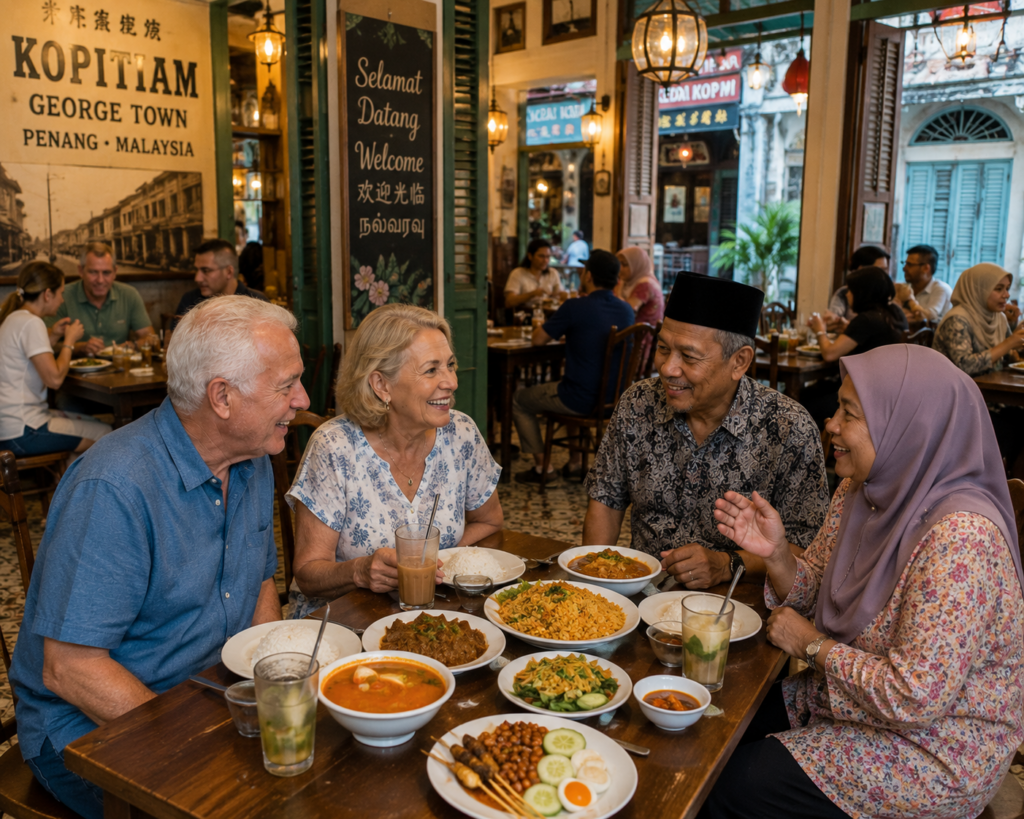
american_malay_couple_dinner
Final Thoughts: Is Malaysia Worth Considering in 2026?
So, is Malaysia worth considering for retirement in 2026?
For many Americans, I think the answer is an emphatic yes.
Malaysia offers a combination that’s surprisingly difficult to find elsewhere: a low cost of living, excellent healthcare, modern infrastructure, widespread English, and a rich cultural experience—all without sacrificing many of the comforts that retirees value most.
Of course, it isn’t perfect.
The MM2H visa program requires more financial planning than it once did. The tropical climate isn’t for everyone, and Malaysia’s distance from the United States means you’ll need to think carefully about staying connected with family and friends back home.
But if you’re willing to make those trade-offs, Malaysia offers something that many retirees spend years searching for: a high quality of life at a price that still feels attainable.
Whether you’re drawn to the cosmopolitan energy of Kuala Lumpur, the food and culture of Penang, the affordability of Ipoh, or the relaxed coastal lifestyle of Kota Kinabalu, you’ll find that Malaysia offers a wide variety of places to call home. That’s one of its greatest strengths—you don’t have to settle for a one-size-fits-all retirement.
As I always recommend, don’t make a decision based solely on what you read online—or even what you hear from me. If Malaysia has caught your attention, book a trip and spend a few weeks living there like a local. Rent an apartment, shop at the neighborhood markets, eat where the locals eat, ride the trains, and talk to other expatriates about their experiences.
You’ll learn more in two weeks on the ground than you will from months of research.
If your priorities include affordability, quality healthcare, safety, modern conveniences, and the opportunity to experience one of Southeast Asia’s most welcoming and culturally diverse countries, Malaysia deserves a place near the top of your retirement shortlist.
It may not be the first country that comes to mind when Americans dream about retiring overseas—but after taking a closer look, it just might become one of the strongest contenders.
What do you think? Could you see yourself retiring in Malaysia, or is there another country that’s at the top of your list? Let me know in the comments below—I always enjoy hearing your thoughts and experiences.
And if you’re exploring retirement abroad, be sure to subscribe to @RetireWithoutBorders on YouTube. Every week, I dive into the real costs, visa options, healthcare, and day-to-day lifestyle in retirement destinations around the world to help you make an informed decision about your next chapter.
And be sure to take a look at my guide to test driving a country before moving there. I think you’ll appreciate the insights: