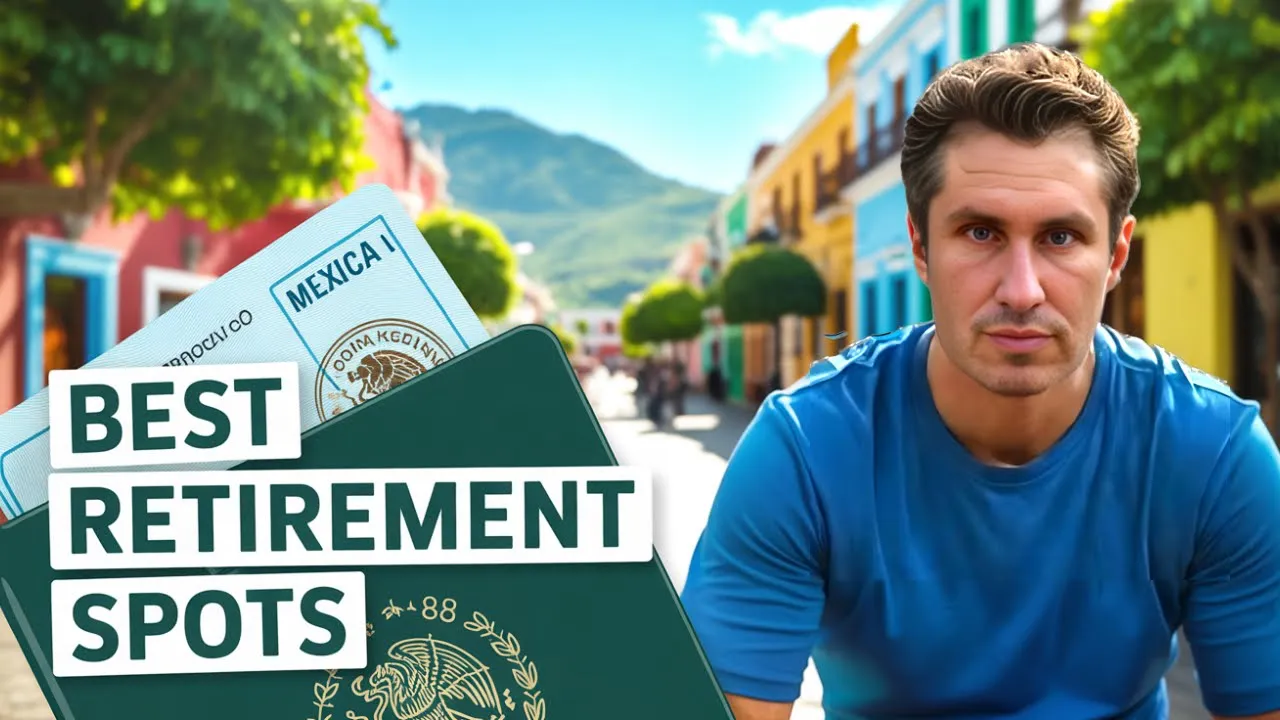
I love visiting Mexico. I have been to many different parts of that beautiful country and can picture myself living there in my retirement. In fact, Mexico has become the most popular retirement destination for Americans seeking to live abroad, with more than 2 million U.S. citizens already making the move. I recently made guide to the top spots for Americans wanting to move there.
The combination of affordable living costs, pleasant climate, and proximity to the United States makes it an attractive alternative to traditional retirement in American cities. In the video, you will see five top destinations for living in Mexico. I love the central part of Mexico and could easily see myself in San Miguel De Allende or Guanajuato.
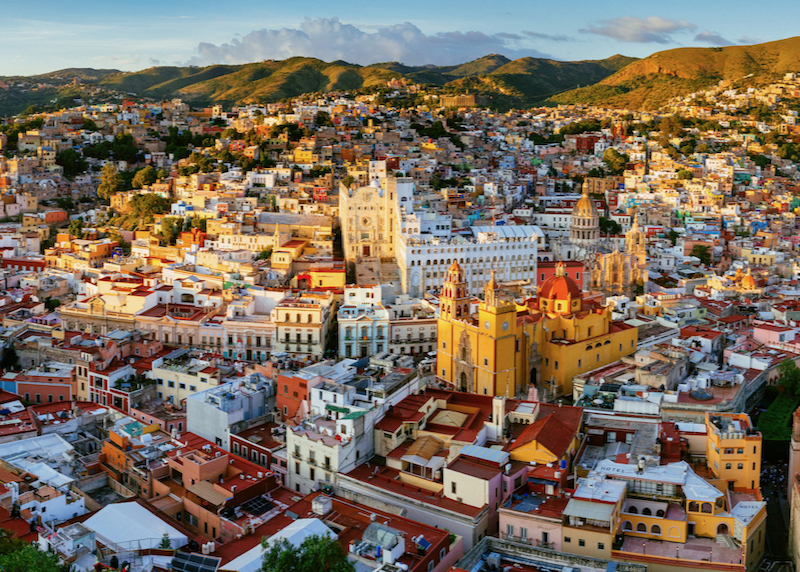
Americans like me can retire in Mexico by obtaining a temporary or permanent resident visa, which requires proof of financial stability through monthly income or savings, and many retirees find they can live comfortably on significantly less than they would spend in the United States. The country offers established expat communities throughout various regions, making the transition easier for newcomers who want to connect with others who have already navigated the process.
Retiring in Mexico involves understanding visa requirements, healthcare options, housing choices, and financial planning considerations. This guide covers the essential information Americans need to make informed decisions about whether retiring south of the border aligns with their retirement goals and lifestyle preferences.
Key Takeaways
- Mexico offers Americans affordable retirement options with established expat communities and requires proof of financial stability for residency visas
- Retirees can choose from multiple safe regions throughout Mexico with varying climates, amenities, and proximity to the United States
- Planning for healthcare, property decisions, taxes, and legal requirements ensures a smooth transition to retirement in Mexico
Why Americans Are Retiring in Mexico
Mexico has become the top choice for U.S. retirees seeking an affordable lifestyle close to home. The combination of financial advantages, established expat networks, and rich cultural experiences drives nearly 1 million Americans to retire in Mexico.
Benefits of Retiring in Mexico
The financial advantages of retirement in Mexico stand out immediately. Housing costs run 50-70% lower than comparable U.S. properties, particularly in popular coastal areas and colonial cities. Healthcare expenses represent another significant saving, with quality private medical care costing a fraction of U.S. prices.
Daily living expenses follow similar patterns. Groceries, utilities, and dining out cost substantially less while maintaining good quality standards. Many retirees find their Social Security benefits stretch further, allowing for a comfortable lifestyle that would be unaffordable in the United States.
The proximity to the U.S. makes retiring in Mexico practical for maintaining family connections. Direct flights from major Mexican cities reach most U.S. destinations within hours. The similar time zones simplify communication with family and friends back home.
Growing Retirement Community Trends
The Social Security Administration paid benefits to more than 62,000 people in Mexico in December 2023, making it the third-largest beneficiary country after Canada and Japan. This growing presence has created well-established expat communities throughout the country.
Popular retirement destinations include Puerto Vallarta, San Miguel de Allende, Playa del Carmen, and Lake Chapala. These areas offer English-speaking services, international restaurants, and social clubs specifically for expatriates. The infrastructure supporting foreign retirees continues expanding with more healthcare facilities, real estate services, and cultural programs.
New arrivals find ready-made social networks that ease the transition. Established expats provide guidance on everything from residency requirements to finding reliable service providers.
Cultural Appeal for U.S. Retirees
Mexico’s year-round warm climate attracts retirees from cold-weather states. Beach communities and highland towns offer different weather options while maintaining comfortable temperatures throughout the year.
The vibrant culture and laid-back lifestyle appeal to those seeking a slower pace. Local festivals, traditional cuisine, and historical sites provide ongoing engagement and entertainment. Many retirees appreciate the emphasis on family, community, and enjoying life’s simple pleasures.
Learning Spanish and integrating into local communities adds enrichment to daily life. Markets, artisan workshops, and cultural events offer authentic experiences. The welcoming attitude toward foreigners makes cultural adaptation easier for those who retire in Mexico.
Best Places to Retire in Mexico
As I said in my video, Mexico offers diverse retirement destinations that cater to different lifestyles and budgets. The most established expat communities provide quality healthcare, affordable living costs, and vibrant social networks that make the transition easier for American retirees. Here are some of the ones I covered.
Lake Chapala
Lake Chapala, located about 30 miles south of Guadalajara, hosts the largest concentration of American and Canadian retirees in Mexico. The lakeside communities of Ajijic and Chapala attract over 15,000 expats who enjoy year-round spring-like weather with temperatures ranging from 65-85°F.
The area offers comprehensive healthcare through nearby Guadalajara’s modern medical facilities, where specialists and hospitals provide care at a fraction of U.S. costs. Monthly living expenses typically range from $1,500 to $2,500 for a comfortable lifestyle, including rent for a two-bedroom home, utilities, and groceries.
Key amenities include:
- Established English-speaking medical professionals
- Active arts and cultural scene
- Weekly farmers markets and social clubs
- Lakefront dining and recreation
- Easy access to Guadalajara’s international airport
The strong expat infrastructure means newcomers find ready-made social networks, volunteer opportunities, and familiar services that ease the adjustment to Mexican life.
Puerto Vallarta
Puerto Vallarta combines beachfront living with modern infrastructure along Mexico’s Pacific coast. The city and surrounding areas like Riviera Nayarit offer retirement options for Americans seeking coastal living with access to quality healthcare and international amenities.
The climate stays warm year-round, with average temperatures between 70-90°F and a rainy season from June through October. Housing costs vary significantly by location, with beachfront condos starting around $200,000 and inland properties offering more affordable options.
Living costs breakdown:
- Studio apartment rent: $600-$1,000/month
- Two-bedroom condo: $1,200-$2,000/month
- Monthly utilities: $50-$100
- Dining out: $8-$15 per meal
The city provides multiple private hospitals with bilingual staff, including Hospital San Javier and Hospital Cornerstone. The international airport connects directly to major U.S. cities, making visits from family convenient.
San Miguel de Allende
San Miguel de Allende sits in Mexico’s central highlands at 6,200 feet elevation, offering colonial architecture and a thriving arts community. The UNESCO World Heritage city attracts retirees interested in cultural activities, art galleries, and historic preservation.
The climate features warm days and cool nights, with average temperatures from 60-80°F throughout the year. Winter months can drop to the 40s at night, requiring heating unlike coastal locations.
Monthly expenses typically run $2,000-$3,000 for a comfortable lifestyle, slightly higher than other popular retirement destinations in Mexico due to the city’s popularity and tourist appeal. Rent for a two-bedroom home in the historic center averages $1,200-$1,800 monthly.
The city offers quality medical care through several clinics and a modern hospital, though serious medical issues may require transfer to facilities in nearby Querétaro or Mexico City. The active expat community maintains numerous social clubs, Spanish language schools, and volunteer organizations that help newcomers integrate quickly.
Additional Top Retirement Destinations

Beyond the most popular retirement hubs, several coastal and inland Mexican cities offer compelling advantages for American retirees seeking beachside tranquility or urban sophistication. These destinations provide diverse climates, cultural experiences, and cost structures that appeal to different retirement preferences.
Playa del Carmen
Playa del Carmen sits along the Caribbean coast in the Riviera Maya, offering retirees pristine beaches and a cosmopolitan atmosphere. The city has evolved from a fishing village into a modern resort destination with extensive infrastructure designed for international residents.
The downtown area features numerous restaurants, shops, and entertainment venues along Quinta Avenida. Healthcare facilities include several private hospitals and clinics staffed with English-speaking doctors. The proximity to Cancún International Airport makes travel to the United States convenient for visiting family.
Retirees find a well-established expat community that facilitates social connections and practical support. The cost of living remains higher than inland Mexican cities but lower than comparable U.S. beach towns. Monthly expenses for a comfortable lifestyle typically range from $2,500 to $3,500 per person.
Tulum
Tulum attracts retirees seeking a bohemian beach lifestyle combined with ancient Mayan history. The town divides into three distinct zones: the beach area with boutique hotels and restaurants, the pueblo (town center) with affordable local services, and the surrounding jungle region with residential developments.
The beach zone commands premium prices for rentals and real estate, while the pueblo offers budget-friendly options for everyday living. Retirees appreciate the town’s focus on wellness, organic food, and eco-conscious living. Tulum’s smaller size creates a tight-knit community atmosphere.
Healthcare services are more limited than larger cities, with serious medical needs requiring travel to Playa del Carmen or Cancún. The international airport under construction will improve accessibility. Monthly living costs vary significantly based on location choice within Tulum, ranging from $2,000 to $4,000.
Puerto Escondido
Puerto Escondido on Oaxaca’s Pacific coast provides retirees with a laid-back surf town environment and authentic Mexican culture. The city maintains a more local character than heavily touristy destinations while offering amenities that foreign residents need.
The climate stays warm year-round with a rainy season from June through September. Several neighborhoods cater to different preferences, from beachfront Zicatela to the quieter Rinconada area. The expat community remains smaller and more integrated with local Mexican residents.
Healthcare facilities serve routine medical needs, though complex procedures require travel to Oaxaca City or larger metropolitan areas. The cost of living ranks among the lowest for Mexican beach towns, with retirees living comfortably on $1,500 to $2,500 monthly. Puerto Escondido International Airport connects to Mexico City and a few U.S. cities seasonally.
Santiago de Querétaro
Santiago de Querétaro offers retirees a modern Mexican city experience with colonial architecture and strong economic infrastructure. Located in central Mexico, the city serves as an industrial and business hub with a population approaching two million residents.
The historic center features UNESCO World Heritage sites, tree-lined plazas, and well-preserved Spanish colonial buildings. Retirees benefit from excellent healthcare facilities, including modern hospitals with advanced medical technology. The city’s elevation provides mild temperatures year-round without extreme heat or cold.
International retailers, restaurants, and cultural venues create urban conveniences familiar to Americans. The expat community remains smaller than coastal destinations, encouraging deeper cultural immersion. Transportation options include a nearby international airport and highway connections to Mexico City. Monthly living costs range from $1,800 to $2,800 for a comfortable lifestyle.
Cost of Living and Budgeting
Retirement in Mexico offers substantial financial advantages compared to the United States, with most couples needing between $2,000 to $3,000 monthly for comfortable living. Location choices and lifestyle preferences significantly impact these figures.
Monthly Expenses for Retirees
A couple retiring in Mexico typically requires $2,000 to $3,000 per month to maintain a comfortable lifestyle. This budget covers housing, utilities, food, transportation, and entertainment.
Housing costs vary considerably by location. Rent for a two-bedroom apartment ranges from $500 to $1,200 monthly, depending on the city and neighborhood. Utilities including electricity, water, and internet typically add $100 to $150 to monthly expenses.
Food expenses average $300 to $500 monthly for a couple who mix shopping at local markets with occasional dining out. Healthcare insurance costs between $61 and $88 per person monthly, with prices increasing with age. Transportation, whether using public transit or maintaining a vehicle, runs approximately $100 to $200 monthly.
Initial setup costs include roughly $600 for visa applications and $3,500 for relocation expenses.
Comparing Urban and Rural Lifestyles
Urban centers like Mexico City, Guadalajara, and Monterrey offer more amenities but command higher prices. Monthly budgets in these cities often reach the upper end of the $2,000 to $3,000 range or exceed it for premium locations.
Rural areas and smaller towns provide significantly lower costs. Housing in these locations can be 40-60% cheaper than major cities. Groceries and services also cost less, though access to specialized healthcare and imported goods may be limited.
Coastal retirement destinations like Puerto Vallarta and Playa del Carmen fall between these extremes. They offer resort amenities and established expat communities but at moderate to high price points. Beach towns attract tourists, which can inflate restaurant and entertainment costs.
Adjusting Your Budget for Mexico
Retirees should account for different spending patterns when budgeting for Mexico. Healthcare costs drop substantially compared to the United States, even for quality private care. Domestic help for cleaning and maintenance becomes affordable at $15 to $25 per visit.
Currency fluctuations between the US dollar and Mexican peso affect purchasing power. A stronger dollar stretches budgets further, while peso strength increases costs for those receiving income in dollars.
Key budget adjustments include:
- Reduced housing costs compared to most US markets
- Lower prescription medication prices at Mexican pharmacies
- Increased spending on fresh produce from local markets
- Higher costs for imported American brands and products
- Additional expenses for residency permits and document translations
Retirees living on fixed incomes should maintain a financial cushion of 15-20% above estimated monthly needs to handle unexpected expenses and economic changes.
Residency and Visa Requirements

Americans planning to retire in Mexico need either a temporary or permanent resident visa if staying longer than 180 days. The application process begins at a Mexican consulate in the U.S., where retirees must demonstrate sufficient income or savings to support themselves.
Temporary Resident Visa
A temporary resident visa allows Americans to live in Mexico for up to four years with annual renewals. This option works well for those who want to test retirement in Mexico before committing to permanent residency.
Applicants must visit a Mexican consulate in the United States to begin the process. Required documents include a valid passport, passport-sized photos with specific formatting requirements, and proof of financial solvency.
The temporary visa permits multiple exits and entries into Mexico during its validity period. After holding temporary residency for four consecutive years, visa holders become eligible to apply for permanent resident status. This pathway provides flexibility for retirees who remain uncertain about a long-term commitment.
Permanent Resident Visa
The permanent resident visa offers indefinite residency in Mexico without renewal requirements. Retirees aged 62 and older can apply directly for this status, while younger applicants must prove official retirement status.
The application requires proof of economic solvency along with standard documentation like a valid passport and photographs. U.S. legal residents need additional documentation such as Form I-797 or I-20.
Permanent residents maintain their status as long as they visit Mexico at least once every two years. After five years of permanent residency, individuals become eligible to apply for Mexican citizenship if desired.
Income and Financial Requirements
Mexico requires retirees to demonstrate consistent monthly income or substantial savings. The specific amounts vary by consulate and change periodically based on Mexico’s minimum wage calculations.
For temporary residency, applicants typically need to show monthly income equivalent to approximately 400 times Mexico’s daily minimum wage, or savings equal to 500 times this amount maintained for 12 months. Permanent residency requires higher thresholds of around 500 times the daily minimum wage in monthly income.
Most couples can retire comfortably on approximately $2,000 per month for living expenses, though visa requirements exceed this amount. Acceptable proof includes pension statements, Social Security benefits, investment income, or bank statements showing consistent deposits.
Healthcare and Health Insurance Options
Americans who retire in Mexico gain access to affordable medical services through multiple healthcare systems, with costs typically running 50-70% lower than in the United States. Medicare does not cover medical expenses outside the U.S., so retirees need alternative insurance solutions.
Quality and Accessibility of Medical Care
Mexico has developed a robust healthcare infrastructure that serves both locals and expatriates effectively. The country operates two parallel systems: public healthcare through IMSS (Instituto Mexicano del Seguro Social) and ISSSTE, plus a private healthcare sector with modern facilities.
Private hospitals in major cities and popular expat destinations employ English-speaking doctors, many of whom received training in the United States or Canada. Healthcare facilities in Mexico have attracted significant investment, establishing the country as a credible medical destination.
Wait times for appointments and procedures are considerably shorter than in the U.S. Retirees can often see specialists within days rather than weeks. Prescription medications cost substantially less, with many drugs available over the counter that require prescriptions in the United States.
Health Insurance for Retirees
Retirees in Mexico have several insurance options to choose from based on their budget and healthcare needs. IMSS public insurance costs approximately $350-400 annually and covers basic medical services, though it requires Spanish language skills and involves longer wait times.
Private Mexican insurance plans range from $1,500 to $4,000 per year depending on age and coverage level. These plans provide access to private hospitals and English-speaking physicians. International health insurance policies offer broader coverage including emergency evacuation but come with higher premiums of $3,000-8,000 annually.
Network hospitals accept 350+ American and Canadian insurance plans, allowing some retirees to maintain their existing coverage. Pre-existing conditions may face waiting periods or exclusions depending on the insurer.
Medical Tourism Advantages
Mexico’s proximity to the United States makes it practical for Americans to travel for medical procedures. Major dental work, surgeries, and cosmetic procedures cost 40-65% less than U.S. prices while maintaining high quality standards.
Border cities like Tijuana, Mexicali, and Nogales serve thousands of American patients annually for routine and complex procedures. Popular retirement destinations including Puerto Vallarta, Guadalajara, and Playa del Carmen house JCI-accredited hospitals that meet international standards.
Healthcare options for expat retirees include bundled packages combining procedures with recovery accommodations. Retirees save money on elective surgeries, dental implants, and prescription medications while receiving care comparable to U.S. facilities.
Buying or Renting Property in Mexico
Americans who retire in Mexico face an important decision about housing arrangements. Long-term rentals offer flexibility and lower upfront costs, while purchasing property provides equity building and permanent roots in the country.
Renting Long-Term
Renting gives retirees time to explore different regions before committing to a permanent location. Monthly rental costs vary significantly by area, with beach towns and popular expat communities typically charging $800 to $2,000 for a two-bedroom home or apartment. Inland colonial cities often offer lower rates between $500 and $1,200 monthly.
Lease agreements in Mexico typically run for one year with options to renew. Landlords commonly require a security deposit equivalent to one or two months’ rent plus the first month’s payment upfront. Some property owners request references or proof of income from foreign tenants.
Key rental considerations include:
- Utilities are usually paid separately by tenants
- Furnished properties cost 15-30% more than unfurnished options
- Written contracts protect both parties and should be reviewed carefully
- Property maintenance responsibilities vary by agreement
Buying Real Estate as a Foreigner
Americans can legally purchase property throughout Mexico, though specific restrictions apply in restricted zones within 50 kilometers of coastlines and 100 kilometers of borders. In these areas, foreigners must use a bank trust called a fideicomiso, which grants all ownership rights for 50-year renewable terms.
Outside restricted zones, Americans can hold direct title to property through fee simple ownership. The purchase process requires a notario público, a federally appointed attorney who verifies the transaction’s legality and ensures proper title transfer.
Buying property provides long-term stability and investment opportunities for those planning to retire in Mexico permanently. Closing costs typically range from 5% to 8% of the purchase price, covering notary fees, taxes, and registration.
Legal Protections for Expats
Mexican law provides substantial protections for foreign property owners and renters. The fideicomiso system for coastal properties includes full rights to use, rent, sell, or pass the property to heirs. Bank trustees cannot claim ownership or control beyond administrative duties.
Property rights are protected under the Mexican Constitution regardless of citizenship status. Title insurance, while not mandatory, offers additional security against ownership disputes or liens. The North American Free Trade Agreement successors provide additional legal frameworks for property disputes.
Rental contracts fall under civil law protections that apply equally to Mexican citizens and foreigners. Eviction procedures follow established legal processes requiring court orders. Written lease agreements registered with local authorities provide the strongest legal standing for both landlords and tenants.
Practical Tips for a Smooth Transition
Successfully relocating to Mexico requires preparation in language skills, cultural awareness, and practical knowledge of daily operations. These elements form the foundation for a comfortable retirement experience.
Learning Spanish and Integrating
While many expat communities in Mexico function primarily in English, learning Spanish significantly enhances the retirement experience. Basic conversational Spanish allows retirees to communicate with healthcare providers, handle banking transactions, and navigate government offices independently.
Effective language learning approaches include:
- Enrolling in local language schools or community classes
- Hiring private tutors for personalized instruction
- Practicing with Spanish-speaking neighbors and vendors
- Using language learning apps as supplementary tools
Most Mexican communities welcome retirees who make an effort to speak Spanish, even imperfectly. Language skills open doors to authentic friendships beyond expat circles and provide access to services that may not cater to English speakers.
Integration extends beyond language to active participation in community life. Attending local festivals, shopping at neighborhood markets, and joining community organizations helps retirees build meaningful connections. Many towns host cultural exchange groups where Mexicans and expats meet regularly.
Adapting to Local Culture
Mexican culture operates on different social norms and rhythms than American culture. Business hours often include extended afternoon breaks, and many services close on Sundays. Punctuality carries less weight in social settings, though professional appointments typically maintain stricter timing.
Building relationships in Mexico requires patience and personal interaction. Face-to-face communication takes precedence over email or phone calls for important matters. Small talk and pleasantries before business discussions demonstrate respect and build trust.
Key cultural adjustments include:
- Greeting people with warmth and taking time for conversation
- Accepting a slower pace for bureaucratic processes
- Showing respect for family-centered values and traditions
- Understanding that directness may be considered rude
Religious and family celebrations hold central importance in Mexican society. Retirees who show interest in and respect for these traditions find themselves more readily accepted into their communities.
Managing Daily Life Abroad
Setting up essential services requires different procedures than in the United States. Opening a Mexican bank account typically needs a resident visa and proof of address. Many retirees maintain both U.S. and Mexican bank accounts to manage cross-border finances efficiently.
Utilities like electricity, water, and internet require deposits and often involve in-person applications. Property management companies can assist with these tasks for retirees who struggle with language barriers or unfamiliar procedures.
Transportation options vary by location. Larger cities offer public transit, ride-sharing apps, and taxi services. Smaller towns may require personal vehicles or reliance on local bus systems. Some retirees choose to manage daily life abroad by hiring drivers or using community shuttle services.
Healthcare coordination involves registering with IMSS (Mexican Social Security) or private insurance providers, locating English-speaking doctors, and understanding pharmacy procedures. Mexican pharmacies stock many medications over-the-counter that require prescriptions in the U.S., though retirees should consult healthcare providers before making changes to their medication routines.
Financial and Tax Planning
Americans retiring in Mexico must navigate cross-border banking, understand their U.S. tax obligations, and ensure their retirement income transfers smoothly. Most retirees maintain financial ties to both countries while managing currency exchange and compliance requirements.
Banking and Transferring Money
Retirees typically maintain bank accounts in both the United States and Mexico. Mexican banks allow foreigners with temporary or permanent residency to open local accounts, which simplifies paying bills and daily expenses. Many expats keep their primary accounts in the U.S. for direct deposit of Social Security and pension payments.
Transferring money between countries requires attention to exchange rates and fees. Traditional wire transfers through banks often include high fees and unfavorable exchange rates. Specialized services like Wise, OFX, and Remitly offer competitive rates and lower fees for regular transfers.
The exchange rate between the U.S. dollar and Mexican peso fluctuates, affecting purchasing power. Some retirees withdraw pesos directly from Mexican ATMs using U.S. debit cards, though ATM fees and foreign transaction charges can accumulate quickly.
Taxation for U.S. Retirees in Mexico
U.S. citizens retiring in Mexico must continue filing federal income tax returns regardless of where they live. The IRS requires reporting worldwide income, including retirement distributions, Social Security benefits, and investment earnings. Filing requirements remain the same as living in the United States.
Mexico may also tax certain types of income earned within its borders. However, the tax treaty between the U.S. and Mexico helps prevent double taxation on most retirement income. Social Security benefits typically remain taxed only by the United States under this treaty.
Retirees should understand how taxes, healthcare, and retirement savings work for expats when building their financial strategy. The Foreign Earned Income Exclusion does not apply to retirement income like pensions or IRA distributions. Tax-deferred accounts such as traditional IRAs and 401(k)s continue to be taxed upon withdrawal.
Social Security and Pensions
Social Security benefits continue for U.S. citizens living in Mexico without interruption. The Social Security Administration deposits payments directly into U.S. bank accounts on the same schedule as for stateside recipients. Retirees can also arrange direct deposit to certain Mexican banks.
Most private pensions and government retirement benefits also transfer to Mexico. 401(k) plans, IRAs, and other retirement accounts remain accessible, with distributions processed normally. Required Minimum Distributions (RMDs) still apply at age 73 for traditional retirement accounts.
Medicare does not provide coverage in Mexico except for limited emergency situations near the border. This means retirees need alternative health insurance solutions, though medical care costs significantly less in Mexico than in the United States.
Safety, Security, and Legal Considerations
While Mexico offers many advantages for American retirees, understanding which areas are safest and navigating local laws requires careful research and planning. Personal security and property protection vary significantly by region, making location selection a critical first step.
Choosing Safe Locations
Not all Mexican cities present the same security profile. Retirees should avoid border cities with high cartel activity, such as Tijuana and Ciudad Juárez, along with certain parts of Guerrero and Michoacán where crime rates remain elevated.
The safest retirement destinations include Mérida, consistently ranked as one of Mexico’s most secure cities, along with Playa del Carmen, San Miguel de Allende, and the Lake Chapala area. These locations have established expat communities and lower crime rates compared to other regions.
Sticking to popular expat zones provides additional security through community networks and better infrastructure. The U.S. Department of State issues travel advisories for specific Mexican states, which retirees should review before selecting a location. Many safe areas have active neighborhood watch programs and private security options that cater to foreign residents.
Personal and Property Security Measures
Retirees should adopt basic security practices regardless of location. Installing quality locks, security cameras, and alarm systems on properties provides essential protection. Gated communities offer additional layers of security and are popular among American retirees.
Keeping a low profile helps minimize risk. Retirees should avoid displaying wealth through expensive jewelry or discussing financial details publicly. Using ATMs inside banks during business hours rather than standalone machines reduces exposure to theft.
Building relationships with neighbors creates informal security networks. Many expat communities share information about local conditions through social media groups and meetings. Hiring reputable property management services when traveling back to the United States ensures homes remain monitored.
Understanding Local Laws
The Temporary Resident Visa is the most common option for American retirees and requires proof of monthly income or savings. This visa allows stays of up to four years and can lead to permanent residency.
Property ownership follows different rules than in the United States. Foreign buyers must use a fideicomiso (bank trust) when purchasing property within 50 kilometers of the coast or 100 kilometers of international borders. This trust structure protects ownership rights while complying with Mexican constitutional restrictions.
Retirees remain subject to both U.S. and Mexican tax obligations. Mexico taxes worldwide income for permanent residents, while the United States taxes citizens regardless of where they live. Navigating tax treaties and filing requirements often requires professional assistance from advisors familiar with both systems.