
Back in July of 2025, I wrote a post discussing how I was changing direction on this site from Artificial Intelligence to retiring overseas for Americans. With the explosion of artificial intelligence tools making content creation much easier, I felt empowered to create YouTube videos, something I’ve enjoyed since the early days of YouTube, before Google bought them. I looked on my YouTube page and see my first surviving video is one I made back in 2006, when someone brought home a toy Barney dinosaur for my sons.
Amazingly, that was shot on a 1.2MP camera and edited on a cheap laptop using Microsoft Windows Movie Maker, yet it currently has over 139,000 views. Go figure.
I had started a channel on using artificial intelligence back in 2023. However, I was never able to gain traction in it and honestly lost interest. On the other hand, I’ve always had a fascination with living overseas and travelling whenever I could. This passion started back in high school, when I participated in a student exchange program with a student in Germany. We’re still friends 40+ years later. So, I want to start posting content here about retiring overseas. I already have over 50 videos discussing how to retire in various countries. I am at just over 600 subscribers and am growing slowly. One of my latest videos is on Greece.
I have always been fascinated by Greece and will visit there someday. Believe it or not, Greece has earned its spot as one of the top retirement destinations for Americans, and it’s easy to see why. Americans can retire in Greece by obtaining a long-term residence permit, which requires proof of stable income or sufficient savings to support themselves without working. The country offers a relaxed lifestyle, warm weather, and lower living costs compared to many U.S. cities.

More than 13,000 Americans already receive U.S. retirement benefits while living in Greece, making it a popular choice among retirees looking for a Mediterranean lifestyle. The combination of affordable healthcare, beautiful landscapes, and welcoming communities makes the transition smoother than you might expect. Understanding the visa process, financial requirements, and daily life in Greece will help you decide if this move is right for you.
I’ve put together this guide to walk you through everything you need to know about retiring in Greece as an American. From securing the right visa to finding the perfect place to live, you’ll learn the practical steps to make your retirement dream a reality.
Key Takeaways
- Americans need a residence permit and proof of stable income to retire in Greece
- Greece offers affordable living costs, quality healthcare, and a relaxed Mediterranean lifestyle
- Popular retirement locations include coastal towns and islands with established expat communities
Why Greece Is an Ideal Retirement Destination for Americans

Greece offers Americans a combination of affordable living costs, excellent healthcare, pleasant weather, and rich cultural experiences that make it one of the top retirement destinations worldwide.
Benefits of Retiring in Greece
Greece has been named the world’s best retirement destination in 2026 by International Living. The country stands out for several practical reasons that matter to retirees.
Healthcare in Greece is both high-quality and affordable compared to the United States. I can access both public and private healthcare systems, with private health insurance costing a fraction of what I’d pay back home.
The cost of living is significantly lower than in most U.S. cities. Housing, groceries, and dining out all cost less, allowing my retirement savings to stretch further.
Greece also offers tax incentives for foreign retirees. The country has programs designed to attract pensioners, including reduced tax rates on foreign income for new residents.
Key Financial Benefits:
- Lower monthly expenses
- Affordable private healthcare
- Favorable tax treatment for retirees
- Strong exchange rate for U.S. dollar holders
Lifestyle and Culture
Living in Greece means you get to experience a Mediterranean climate with mild winters and warm, sunny summers. The weather supports an active outdoor lifestyle year-round. Living in Southern California, I’m very used to being active and outdoors year-round. In fact, this article was written in the beginning of December, and I have been wearing shorts and a t-shirt.
But I digress…the Greek lifestyle emphasizes community, fresh food, and a slower pace of life. You can enjoy fresh vegetables, olive oil, seafood, and local wines as part of the famous Mediterranean diet.
Greece offers diverse living options. You can choose between island life on places like Crete or Corfu, coastal towns with beach access, or historic cities like Athens with modern amenities.
The country has a strong expat community. Over 13,000 Americans currently receive U.S. retirement benefits in Greece, making it easier to connect with others who’ve made the same move.
Cultural activities are abundant. I have access to ancient ruins, museums, festivals, and a vibrant arts scene that keeps life interesting.
Challenges to Consider
Retiring in Greece isn’t without obstacles. The language barrier can be difficult, though many Greeks in tourist areas and cities speak English.
Bureaucracy in Greece can be complex and time-consuming. Getting residency permits, opening bank accounts, and dealing with government offices often requires patience and sometimes professional help.
The Greek economy has faced instability in recent years. While this contributes to lower costs, it also means I need to consider currency fluctuations and economic uncertainty.
Practical Challenges:
- Learning basic Greek helps with daily life
- Administrative processes move slowly
- Banking and financial systems work differently
- Healthcare quality varies by location
Like in other countries, you would also need to maintain your U.S. tax obligations. That means American citizens must still file U.S. tax returns even when living abroad, which adds complexity to your financial planning. But, it isn’t an insurmountable obstacle.
Visa and Residency Pathways for American Retirees
Americans have two main options for retiring in Greece: the Financially Independent Person residence permit or the Golden Visa program through real estate investment.
Retirement Visa Requirements
The Financially Independent Person residence permit offers the most direct route for Americans wanting to retire in Greece. You would need to prove you have stable income from sources like pensions, Social Security, or rental properties.
The financial requirement is around €2,000 per month for a single person. If you’re bringing a spouse, you would need to add 20% more to that amount. For each additional dependent, add another 15%.
We Americans cannot work in Greece under this visa type. The permit is valid for two years initially and can be renewed for three-year periods. After seven years of legal residence, you would become eligible to apply for permanent residency.
Golden Visa Program Overview
There is also what is called, the Golden Visa. The Golden Visa program requires a minimum investment of €250,000 in Greek real estate. This grants any American who qualifies five-year residence permit that you can renew as long as you maintain the property investment.
Unlike the retirement visa, the Golden Visa allows you to also work and conduct business in Greece. This is a decent option if you wish to semi-retire in Greece while still maintaining a business, such as a consultancy. Family members can also receive residence permits through your investment. Also, you don’t need to live in Greece full-time to maintain this permit.
The investment threshold increases to €400,000 or €800,000 in certain high-demand areas. I suggest you verify the exact amount based on the property location before purchasing. The Greek Government Golden Visa program website has all the details.
Application Process and Documentation
For the retirement visa, you must apply at the Greek consulate in your jurisdiction before traveling to Greece. Required documents include:
- Valid passport
- Proof of health insurance covering Greece
- Bank statements showing sufficient funds
- Income verification documents
- Clean criminal background check
- Completed application forms
For the Golden Visa, you can enter Greece on a tourist visa and apply after purchasing property. You would need the property deed, proof of payment, and tax identification number in addition to standard documents like your passport and health insurance. Processing times typically range from three to six months for either pathway.
Cost of Living and Financial Planning in Greece
Dan and Qiang of the Vagabond Awake YouTube channel has a great video on what it would take to retire in Greece. I’ve linked it below:
A single person needs about $1,196 per month to cover basic living expenses in Greece, while couples should budget around $1,945 monthly. These costs vary based on location, with islands and tourist areas typically running higher than mainland cities and rural villages.
Housing and Utilities
Rent represents the largest expense when retiring in Greece. I can expect to pay $400 to $700 per month for a one-bedroom apartment in smaller cities or rural areas. In Athens or popular islands like Crete and Santorini, the same apartment costs $700 to $1,200 monthly.
Utilities add another $100 to $150 per month to my budget. This covers electricity, water, heating, and garbage collection. Internet service costs $30 to $50 monthly for reliable speeds.
Property purchases offer another option for long-term living in Greece. Apartments in mid-sized cities start around $80,000 to $120,000, while island properties command premium prices. I should factor in annual property taxes of 0.1% to 0.3% of the property value plus mandatory building maintenance fees.
Daily Expenses and Groceries
Food costs remain reasonable throughout Greece. I spend $200 to $350 monthly on groceries when shopping at local markets and supermarkets. Fresh produce, bread, olive oil, and local cheeses cost significantly less than in the United States.
Dining out fits most retirement budgets. A meal at an inexpensive restaurant runs $10 to $15 per person, while a three-course dinner for two at a mid-range restaurant costs $40 to $60.
Transportation expenses stay low. Monthly public transit passes cost $30 to $40 in major cities. Gasoline prices hover around $6.50 per gallon, making car ownership more expensive than in the US. Many retirees walk or use buses and metros for daily needs.
Healthcare Spending
Greece offers quality healthcare at prices below US standards. Public healthcare becomes available to legal residents, though understanding healthcare coverage is essential for proper planning.
Private health insurance costs $50 to $150 monthly for comprehensive coverage. This includes doctor visits, specialists, and hospital stays. Many retirees choose private insurance for shorter wait times and English-speaking doctors.
Doctor visits without insurance cost $40 to $80. Prescription medications run 30% to 50% less than US prices. Dental care and vision services also cost considerably less, with routine cleanings starting at $40.
Tax Considerations for US Retirees
US citizens face tax obligations in both countries when retiring in Greece. I must file US tax returns annually regardless of where I live. Greece taxes worldwide income for tax residents, which includes anyone spending more than 183 days per year in the country.
Greece offers a flat 7% tax rate on foreign pension income under its special retirement visa program. This applies to income from sources outside Greece, including Social Security and private pensions. I need to apply for this preferential tax treatment when obtaining my residence permit.
The US-Greece tax treaty prevents double taxation on most income types. I can claim foreign tax credits on my US return for taxes paid to Greece. Working with a financial advisor familiar with both tax systems helps me avoid costly mistakes and maximize my retirement income.
Best Places to Retire in Greece
Greece’s largest island offers excellent healthcare and mild winters, while northern cities provide urban amenities at lower costs than Athens. Island destinations in the Aegean combine stunning views with relaxed Mediterranean living. In my recent video on retiring in Greece, I go over some of the most common areas to retire.
Crete
In the video, I recommend Crete as Greece’s largest island and a favorite for retirees because it provides the most complete retirement package. The island has modern hospitals and medical facilities in major cities like Heraklion and Chania.
The climate stays mild throughout winter, with temperatures rarely dropping below 50°F. I find the cost of living reasonable, with monthly expenses for a couple typically ranging from $1,800 to $2,500 including rent.
The island stretches over 160 miles, giving me access to beaches, mountains, and historic sites without feeling isolated. Local communities welcome expats, and English is widely spoken in tourist areas. Fresh produce markets operate year-round, and traditional tavernas serve affordable meals for $10 to $15 per person.
Rhodes
As part of the southern Aegean, Rhodes enjoys a classic Mediterranean climate: long, warm summers with hot, dry weather and very mild, wetter winters — perfect for retirees who love sunshine, sea breezes, and minimal cold.
Rhodes is frequently listed among the top destinations for retirees and foreigners in Greece because of its island-life charm, good infrastructure, and easy connection to the mainland.
As a retiree living on Rhodes (outside peak-tourist lifestyle), you could expect a comfortable monthly budget around $1,300 to $1,800 for a modest apartment, groceries, utilities, transport and occasional dining out — assuming a modest-to-moderate lifestyle. Greece-wide data suggests that many retirees live on about €1,500/month including rent.
Nafplio
Nafplio — on the Peloponnese peninsula — enjoys Mediterranean weather: mild, rainy winters and warm, dry summers. Its coastal location tends to moderate extremes, giving retirees a pleasant climate for much of the year.
Though Nafplio is less frequently cited than big islands or Athens, it is mentioned among “best places for retirees” in Greece, indicating a modest but growing community of expats (including some from the U.S.).
Given that smaller towns and non-island locales tend to be more affordable, a retiree in Nafplio might comfortably live on ~€1,100–€1,400 (~US $1,200–$1,530) per month, including rent, groceries, utilities, transport, and some leisure — maybe even less, depending on your lifestyle. This aligns with national averages showing low-cost options outside major cities.
Kalamata
Kalamata — in southern Greece on the Peloponnese — has a hot-summer Mediterranean climate (Csa): summers are hot and dry, winters are mild but wetter. That makes it ideal for retirees who prefer warm weather, olive-grove surroundings, and easy access to both sea and countryside.
Kalamata consistently appears in expat and retiree-oriented lists for Greece, signaling a reasonable expat presence. For Americans seeking mainland Greece with Mediterranean vibes, Kalamata is often recommended alongside Rhodes and Athens.
Local sources suggest moderate living expenses in Kalamata. For a comfortable retiree lifestyle there (apartment, food, utilities, modest outings), a budget of ~€1,200–€1,500 (~US $1,300–$1,650) per month is realistic. If you live more frugally, you might get by for less.
Athens
As Greece’s capital, Athens has a hot-summer Mediterranean climate (Csa): warm-to-hot, dry summers and mild, wetter winters. Average annual temperature hovers around 19.2 °C (66.5 °F) in the city center — fairly mild for retirees looking to avoid harsh winters.
Athens is one of the top draws for American retirees in Greece — thanks to its amenities, medical infrastructure, expat services, and international connectivity. Expats here benefit from a mix of urban comforts and Greek cultural charm.
Living costs in Athens tend to be higher relative to smaller towns or islands. A retiree might need around €2,000–€2,800 (~US $2,200–$3,100) per month for a comfortable standard of living (rent, utilities, food, transport, leisure). If you choose a modest apartment outside the city center and live simply, you might get by for less — perhaps €1,500–€1,800.
Antikythera
In the video, I mention an island where the Greek Government will actually pay you to live there. That is Antikythera. As a small island in Greece, Antikythera enjoys the classic Mediterranean climate: long, sunny summers with dry heat, mild winters with occasional rain, and plenty of sea breezes — ideal for retirees who want quiet island life with natural beauty and minimal cold. (Greece’s general climate trends apply.) Antikythera is located between the Greek mainland and Crete.
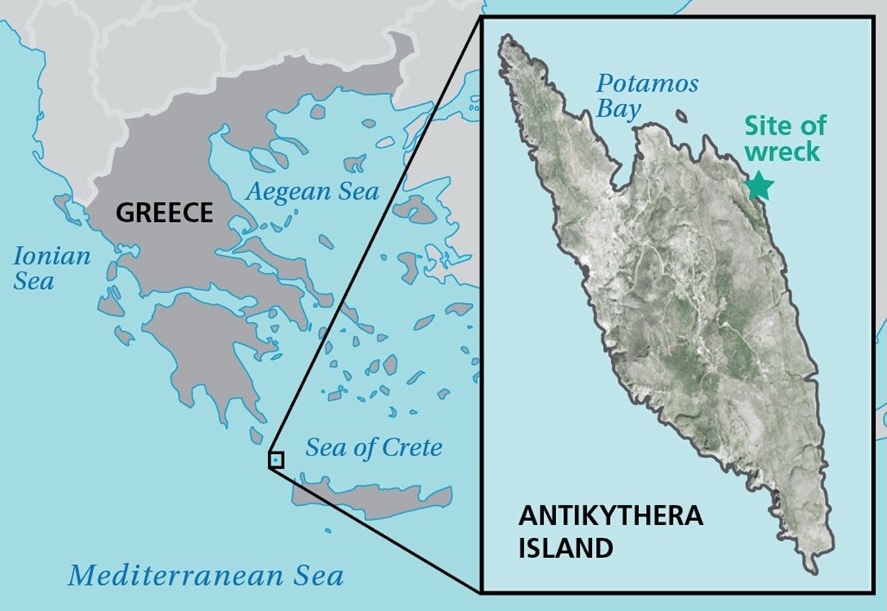
Data on American or expat population on Antikythera is quite limited. Given its small size and low density compared to major islands or cities, expat presence is likely minimal. Retirees considering Antikythera should be prepared for a very quiet, local-centered lifestyle — more remote and less expat-community oriented than Rhodes or Athens.
Monthly Expenses (estimate, approximate): Because it’s remote and less developed, costs may fluctuate more depending on supply-chain and transport. Conservatively, a modest retiree on Antikythera might budget around €1,000–€1,400 (~US $1,100–$1,550) per month — more if you rely on frequent mainland travel. Utilities may remain low, but imported goods or travel costs can push budgets higher. This aligns with general Greece data showing many retirees live on ~€1,500/month outside major cities.
Healthcare and Health Insurance Options

Americans retiring in Greece have access to both public and private healthcare systems, with costs significantly lower than in the United States. Understanding insurance requirements and medical access is essential for planning your retirement abroad.
Public vs Private Healthcare Systems
Greece operates a dual healthcare system with both public and private options available. The public system, known as ESY (National Health System), provides low cost or even free healthcare to residents who contribute to social security.
As an American retiree, I can access public healthcare by obtaining legal residency and enrolling in the Greek social insurance system. This typically requires proof of income and residency status. The public system covers basic medical needs, hospital care, and prescriptions at minimal cost.
Private healthcare in Greece offers shorter wait times and access to English-speaking doctors. Many retirees choose private insurance for more comprehensive coverage and faster service. Private facilities maintain modern equipment and international standards of care.
Access to Medical Services
Medical services in Greece are widely available, particularly in urban areas like Athens and Thessaloniki. I can find both public hospitals and private clinics throughout the country, though rural areas may have more limited options.
English-speaking doctors are common in private facilities and major cities. Prescription medications cost considerably less than in the United States, even without insurance. Pharmacies are readily available and pharmacists can provide basic medical advice.
Emergency services are accessible through the public system by dialing 166. Private hospitals often provide emergency care with minimal wait times for those with insurance coverage.
Health Insurance and the European Health Insurance Card
Visa requirements for Americans moving to Greece include proof of adequate health insurance coverage. I must show either private international health insurance or enrollment in the Greek public system when applying for residency permits.
The European Health Insurance Card (EHIC) only applies to EU citizens and does not cover Americans. I need to secure private international health insurance or register with Greek social insurance for coverage when living in Greece.
International health insurance plans designed for expats typically cost between $100-300 monthly depending on age and coverage level. These plans often include evacuation coverage and access to private facilities throughout Europe.
Practical Tips for Adjusting to Life in Greece
Moving to a new country requires understanding the language, handling paperwork, and building connections with locals. These three areas will shape your daily experience and determine how quickly you feel at home.
Learning the Language
Greek uses a different alphabet, which makes it harder to learn than Romance languages. I recommend starting with the alphabet before your move so you can read signs, menus, and addresses.
You don’t need fluency to get by in tourist areas. Most Greeks in Athens, islands, and coastal towns speak English. But knowing basic Greek phrases helps with everyday tasks like shopping at local markets or visiting government offices.
I suggest taking lessons through local language schools or community centers once you arrive. Many cities offer courses specifically for expats. Apps like Duolingo or Pimsleur work well for building vocabulary before and after your move.
Learning conversational Greek shows respect and opens doors to friendships. Even simple greetings and thank-yous make interactions smoother. Greeks appreciate when foreigners make an effort with their language, even if your pronunciation isn’t perfect.
Navigating Everyday Bureaucracy
Greek bureaucracy moves slowly and requires patience. You’ll need to visit multiple offices for tasks like getting a tax number, opening a bank account, or registering for healthcare.
Bring copies of every document. Officials often ask for duplicates, and having extras saves time. Keep originals and translated versions of your passport, birth certificate, and marriage certificate if applicable.
Common bureaucratic tasks include:
- Obtaining an AFM (tax identification number)
- Registering with local authorities
- Setting up utilities and internet
- Opening a Greek bank account
Many government offices have limited hours, typically morning only. Arrive early because some offices serve limited numbers daily. Hiring a lawyer or relocation specialist costs money but speeds up the process significantly.
Greeks often handle business face-to-face rather than online or by phone. This means more trips to offices, but it also creates opportunities to ask questions and get help from staff members.
Integration Into Local Communities
Greek culture values relationships and community over rushing through daily tasks. Coffee meetings last hours, and people prioritize conversation over schedules.
Join local activities to meet people. Look for expat groups, volunteer organizations, or hobby clubs. Many towns have English-speaking communities that organize social events and provide practical advice about living in Greece.
Shopping at the same bakery or café regularly helps you become a familiar face. Greeks build trust through repeated interactions. Your local shopkeepers will remember you and often give advice or help with recommendations.
Attend local festivals and celebrations. Greece has numerous religious holidays and village festivals throughout the year. These events welcome everyone and offer chances to experience authentic Greek traditions while meeting neighbors.
Respect the slower pace of life. Stores close for afternoon breaks, businesses operate on flexible schedules, and deadlines aren’t always strict. Adapting to this rhythm reduces frustration and helps you appreciate the lifestyle that makes Greece attractive for retirement.
Frequently Asked Questions
Americans planning to retire in Greece need to meet specific visa requirements and demonstrate financial independence. The residence permit process involves documentation, while costs and healthcare access vary significantly from the United States.
What are the visa requirements for a retired American to move to Greece?
I need to apply for a residence permit under the Financially Independent Person (FIP) scheme to retire in Greece. This program is designed specifically for non-EU citizens who want to live in Greece without working.
The application requires proof of stable income from sources like pensions, investments, or savings. I must show I can support myself financially without needing employment in Greece.
I’ll need to provide documentation including a valid passport, proof of health insurance, and evidence of accommodation in Greece. The application process typically starts at a Greek consulate in the United States before I move.
What financial considerations should Americans take into account when planning to retire in Greece?
I need to demonstrate sufficient monthly income to qualify for the retirement visa. The exact amount varies, but I should expect to show proof of stable income that covers my living expenses.
Greece offers a flat annual taxation rate for foreign retirees under certain conditions. I’ll need to understand both Greek tax obligations and my continuing U.S. tax responsibilities as an American citizen living abroad.
Banking and currency exchange are important factors I must consider. I’ll be dealing with euros instead of dollars, which means exchange rate fluctuations can affect my purchasing power.
Healthcare costs differ from the U.S. system. I need to budget for private health insurance or understand how to access the Greek healthcare system as a resident.
What are the pros and cons of retiring in Greece for American expats?
The Mediterranean climate and slower pace of life attract many retirees to Greece. I can enjoy warm weather, fresh food, and a lifestyle focused on community and relaxation.
Greece offers a lower cost of living compared to many U.S. cities. Housing, food, and daily expenses are often more affordable, allowing my retirement savings to stretch further.
Language barriers can present challenges in daily life. While many Greeks speak English in tourist areas, I may struggle with administrative tasks and healthcare appointments without knowing Greek.
The bureaucratic process in Greece can be slow and complicated. I should expect paperwork and official procedures to take longer than I’m used to in the United States.
Distance from family and friends in America is a significant consideration. Travel back to the U.S. requires long flights and can be expensive, making frequent visits difficult.
How does the cost of living for retirees in Greece compare to that in the USA?
Housing costs in Greece are generally lower than in major U.S. cities. I can rent or buy property for significantly less, especially outside Athens and popular tourist islands.
Groceries and restaurant meals cost less in Greece. Fresh produce, local cheeses, and traditional Greek dishes are affordable and high quality.
Utilities and internet services may cost differently than in the U.S. Heating costs can be higher in winter months, while air conditioning expenses rise in summer.
Healthcare expenses vary depending on whether I use public or private services. Private health insurance in Greece typically costs less than comparable coverage in the United States.
Can American citizens easily obtain a retirement visa in Greece, and what does the process entail?
The retirement visa process requires several steps and can take an extended period. I should start planning and gathering documents several months before my intended move date.
I must first apply at a Greek consulate in the United States. This involves submitting my application, supporting documents, and paying the required fees.
After initial approval, I’ll receive a national visa that allows me to enter Greece. Once in Greece, I need to apply for my residence permit at the local immigration office.
The residence permit is typically valid for one year initially. I can renew it annually, and after several years of continuous residence, I may qualify for a longer-term permit.
Processing times vary, and I should expect delays. The Greek bureaucratic system can be slow, so patience is necessary throughout the application process.
What is the average retirement age in Greece, and how does it impact American retirees?
The retirement age in Greece has been increasing in recent years due to economic reforms. Greek citizens typically retire between ages 62 and 67, depending on their career and contributions.
This local retirement age doesn’t directly affect my eligibility for a residence permit. As an American retiree, I can apply for the FIP visa regardless of my age, as long as I meet the financial requirements.
The local retirement culture shapes the social environment I’ll experience. Many Greek retirees remain active in their communities and maintain strong social connections through family and neighborhood networks.
Understanding Greek attitudes toward retirement helps me integrate better. Greeks often view retirement as a time for enjoying life with family rather than pursuing new careers or ventures.