So, I recently posted a video on how you can achieve success using AI to enhance a dropshipping business. I know many are having success with dropshipping. In fact, Trend Hunter, a fast-scaling dropshipping brand in the fashion niche, increased their conversion rate by over 215% in just six months after integrating AI-driven product recommendation tools and dynamic pricing software.
Check the video out:
I case you hadn’t heard, dropshipping is a powerful eCommerce model with low overhead and high scalability. Dropshipping is a simple business model where you sell products online without ever holding inventory. Instead of buying items in bulk, you only purchase a product from a supplier after a customer places an order on your website. The supplier then ships the product directly to the customer. That means no storage costs, no packing, and no shipping on your part. You focus on building a brand, creating a store, and marketing products—while your supplier handles the rest. It’s a low-risk, low-cost way to start an online business from anywhere.But it comes with its own set of challenges: managing inventory from third-party suppliers, optimizing pricing, improving customer service, forecasting demand, and staying ahead in a saturated market.
This is where artificial intelligence (AI) steps in.
AI is not just a buzzword. It’s a set of practical tools and technologies that can automate decision-making, personalize customer experiences, and optimize almost every part of your dropshipping operation.
Whether you’re a beginner trying to break into eCommerce or a seasoned seller looking to scale your online store, AI can streamline your workflow, boost your profits, and free up your time.
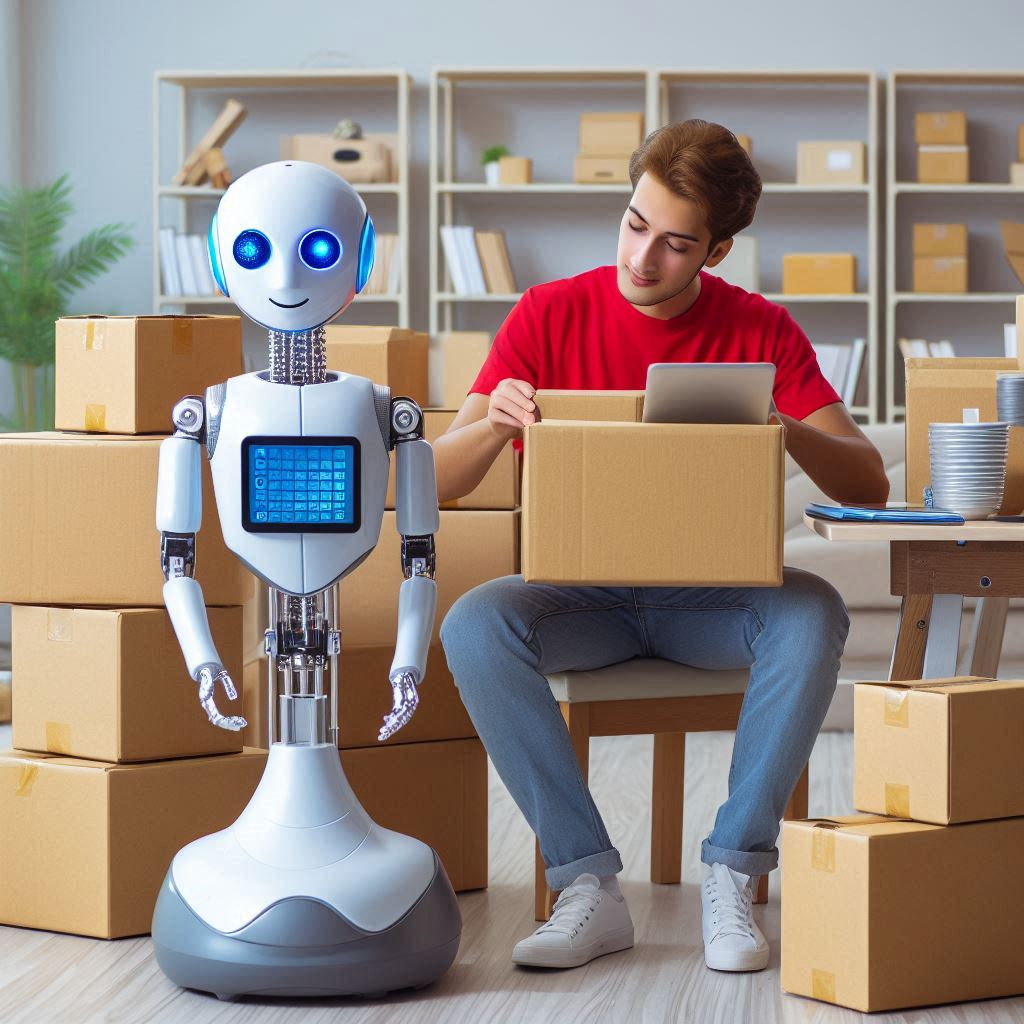
In this guide, I’ll explore exactly how to implement AI in your dropshipping business, including tools, techniques, and real-world examples.
1. AI in Product Research: Find Winning Products Faster
Finding the right products is the lifeblood of any dropshipping business. Instead of guessing what might work, AI tools can help you:
• Sell The Trend: Uses machine learning to analyze trending products across platforms like AliExpress, Amazon, and Shopify stores.
• Intelligynce: Offers AI-powered spying on over 500,000 Shopify stores to identify top-selling items.
• Ecomhunt: Uses AI to rank products based on engagement, competition level, and sales data.
How AI Works Here:
These tools analyze millions of data points—like search trends, customer reviews, social shares, and order history—to recommend high-converting products for your niche.
Pro Tip:
Use a combination of AI-driven product discovery tools and manual market research to verify profitability before adding a product to your store.
2. AI-Powered Pricing Optimization
In dropshipping, profit margins are razor-thin. AI can help you dynamically adjust your prices based on competitor data, demand, and inventory.
Top AI Pricing Tools:
• Prisync: Automatically adjusts pricing based on competitor tracking and profitability algorithms.
• RepricerExpress: Ideal for Amazon sellers, this tool uses AI to optimize price positioning in real-time.
• Shopify Magic: Shopify’s native AI tools include pricing suggestions based on trends and performance.
Real-World Example:
A dropshipping store in the electronics niche increased profit margins by 12% by using Prisync to constantly adapt pricing to beat competitors while maintaining a healthy margin.
3. AI in Customer Support: Automate and Personalize
One of the most resource-intensive parts of dropshipping is customer service. AI can handle a significant chunk of it with speed and accuracy.
Top AI Chatbots and Support Tools:
• Tidio: Integrates seamlessly with Shopify to provide 24/7 AI-powered customer service.
• Zendesk AI: Offers AI-driven ticket classification and resolution suggestions.
• ManyChat: Great for automated Facebook Messenger campaigns and customer follow-up.
Benefits of AI in Customer Service:
• Reduced response times
• 24/7 availability
• Personalized responses based on customer history
• Higher customer satisfaction and repeat purchases
4. AI for Inventory Management and Supply Chain Forecasting
While you don’t manage physical inventory in dropshipping, you still need to track supplier stock, delivery times, and customer expectations.
Smart Inventory Tools:
• Inventory Source: Uses AI to sync supplier data and update your storefront in real time.
• Oberlo (now part of DSers): Offers smart forecasting tools based on order history and supplier data.
Forecasting Demand:
AI models can analyze seasonal trends, search behavior, and past sales to predict demand, helping you prepare promotional campaigns or limit ad spend on low-performing products.
5. AI-Powered Copywriting and Marketing

AI can now generate product descriptions, blog posts, ads, and emails with little input from you.
Best AI Copywriting Tools:
• Jasper AI (formerly Jarvis): Perfect for writing persuasive product descriptions, email sequences, and Facebook ads.
• Copy.ai: Fast content creation for Instagram captions, SEO blogs, and promotional emails.
• ChatGPT: Ideal for brainstorming, email support templates, and content outlines.
Use Cases:
• SEO-optimized product pages
• Weekly email newsletters
• Facebook and Google Ad copy
• Blog posts to drive organic traffic
Pro Tip: AI-generated content should always be reviewed and refined for brand tone and SEO.
6. AI in Visual Content Creation
Product visuals play a key role in dropshipping. AI tools can now create or enhance product images, generate marketing creatives, and even edit videos.
Top Visual AI Tools:
• Canva AI: Offers AI image enhancement, background removal, and design templates.
• Runway ML: AI video editing for product demos and TikTok ads.
• DALL·E: Generate unique visuals to supplement product marketing campaigns.
Example: A pet accessories dropshipping store boosted engagement by 67% after switching to AI-enhanced lifestyle product images.
7. AI-Driven Email and Retargeting Campaigns
Don’t let potential buyers slip away. AI tools can track customer behavior and send automated retargeting emails or ad campaigns based on their actions.
Top Tools:
• Klaviyo: AI email marketing with advanced segmentation and predictive analytics.
• Omnisend: Personalized email and SMS workflows for Shopify stores.
• AdRoll: Uses AI for retargeting ads across Google, Facebook, and Instagram.
Use AI To:
• Recover abandoned carts
• Recommend upsell products
• Remind users of ongoing sales
• Segment lists by customer behavior
8. AI-Powered Analytics and Business Intelligence
AI analytics platforms take your raw data and convert it into actionable insights you can use to optimize campaigns, pricing, and sourcing strategies.
Top Tools:
• Google Analytics with AI Insights: Identifies trends and anomalies.
• Shopify Analytics: Offers AI-powered suggestions to increase conversions.
• PaveAI: Converts Google Analytics data into easy-to-read reports with recommendations.
Key Benefits:
• Identify top-performing products
• Discover traffic sources
• Understand customer lifetime value
• Forecast ROI on ad campaigns
As you can see, artificial intelligence is transforming the dropshipping game by making it faster, smarter, and more profitable. In this blog post, I explored how AI tools help automate product research, generate high-converting ad copy, optimize pricing, manage customer service, and even build full eCommerce stores. With platforms like Shopify, ChatGPT, and AutoDS, entrepreneurs can launch and scale their dropshipping business with minimal effort. Whether you’re a beginner or looking to streamline your current store, AI offers powerful tools to help you compete and win in the digital marketplace.
Recommended Resources to Learn More: