An AI Pivot at www.kaiponte.com
I’ve been running the website kaiponte.com and its predecessor, perfectreign.com since the early 2000’s. I started perfectreign.com as a site to focus on project management. I did not stay focused and instead let it slide into information about Linux, computers, and how-to articles.
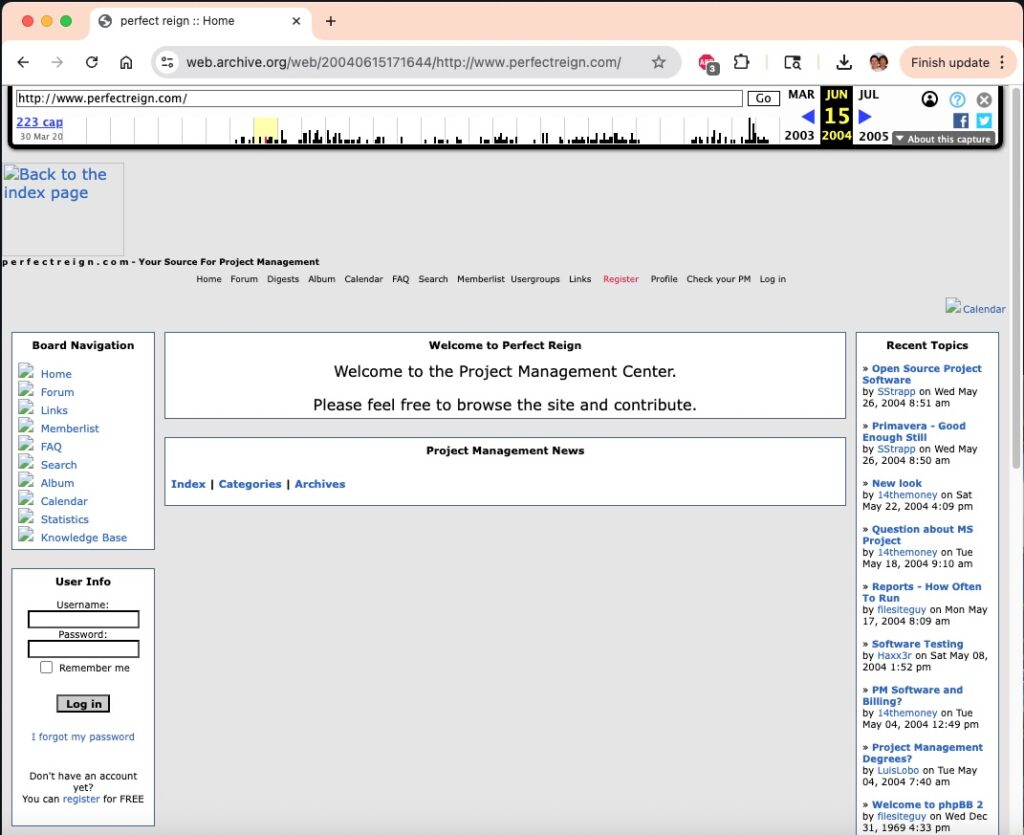
As I’ve mentioned before, I wanted to rebrand it with my name, Kai Ponte, to focus on whatever needed to be written. So, www.kaiponte.com was born and I’ve been posting here for some time. I’ve written about artificial intelligence and photos, AI and ethics, pest control, and various other articles.
Though retired, I still am focused on information technology. In addition, I love travel. I decided to take these two interests and create a YouTube channel focused on Americans retiring abroad.
Hence, my YouTube channel, Retire Without Borders, was born.
https://www.youtube.com/channel/UCMgBaHxBFy3tl4FdYVqyzpQ
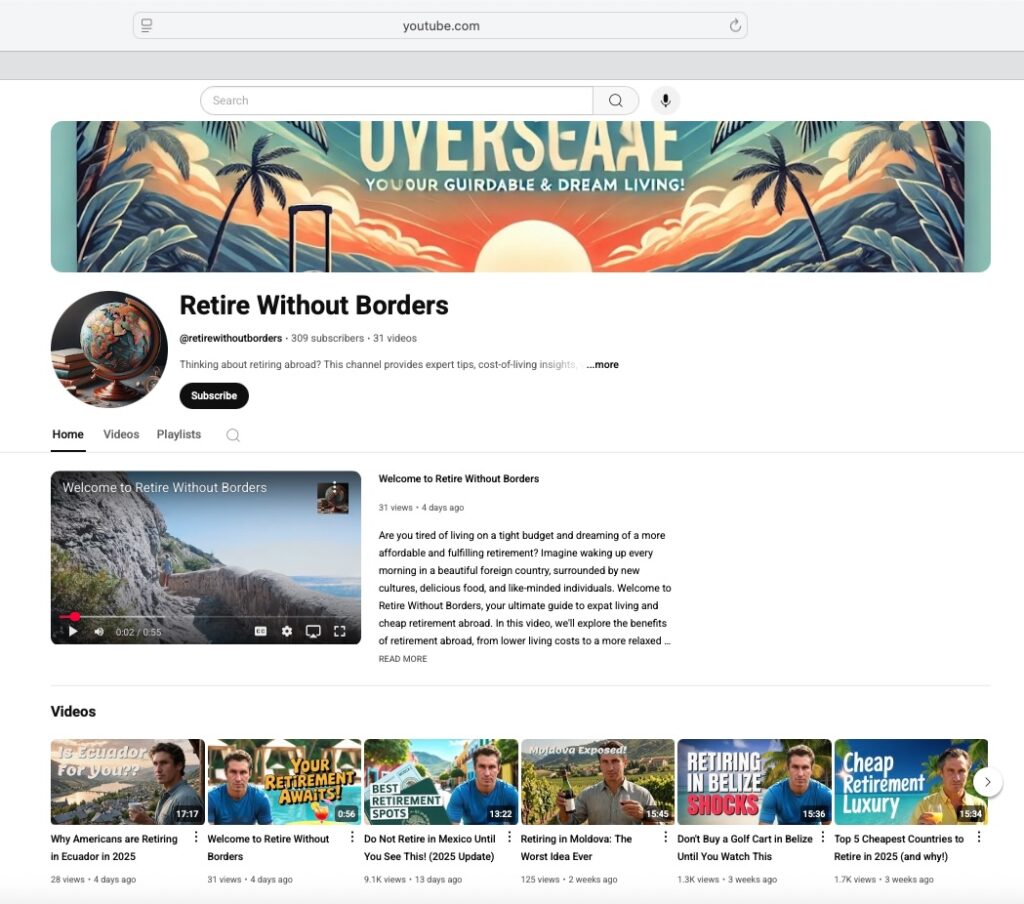
Retiring abroad is an option I believe deserves more attention, especially as more people look for ways to stretch their savings and enjoy a higher quality of life. Focusing on retiring abroad can offer financial benefits, access to diverse cultures, and lifestyle improvements that might not be available at home. This makes it a practical choice worth exploring seriously. As of the writing of this article, I have over 300 subscribers and just over 31 videos, all created using Artificial Intelligence.

I’ve noticed many retirees are drawn to countries with stable infrastructure, affordable healthcare, and appealing climates. Beyond the economic factors, the chance to experience new customs, languages, and environments adds a layer of personal growth many find rewarding.
I think this area may be ripe for more exploration and will be focusing on it for the time being. I am currently working on the production of a video about retiring in Spain.

Understanding why retiring abroad might suit your goals can help you make smarter decisions about where and how to live comfortably after work. That’s why I plan to dig deeper into the reasons and realities behind this growing trend, so you can weigh whether it’s right for you.
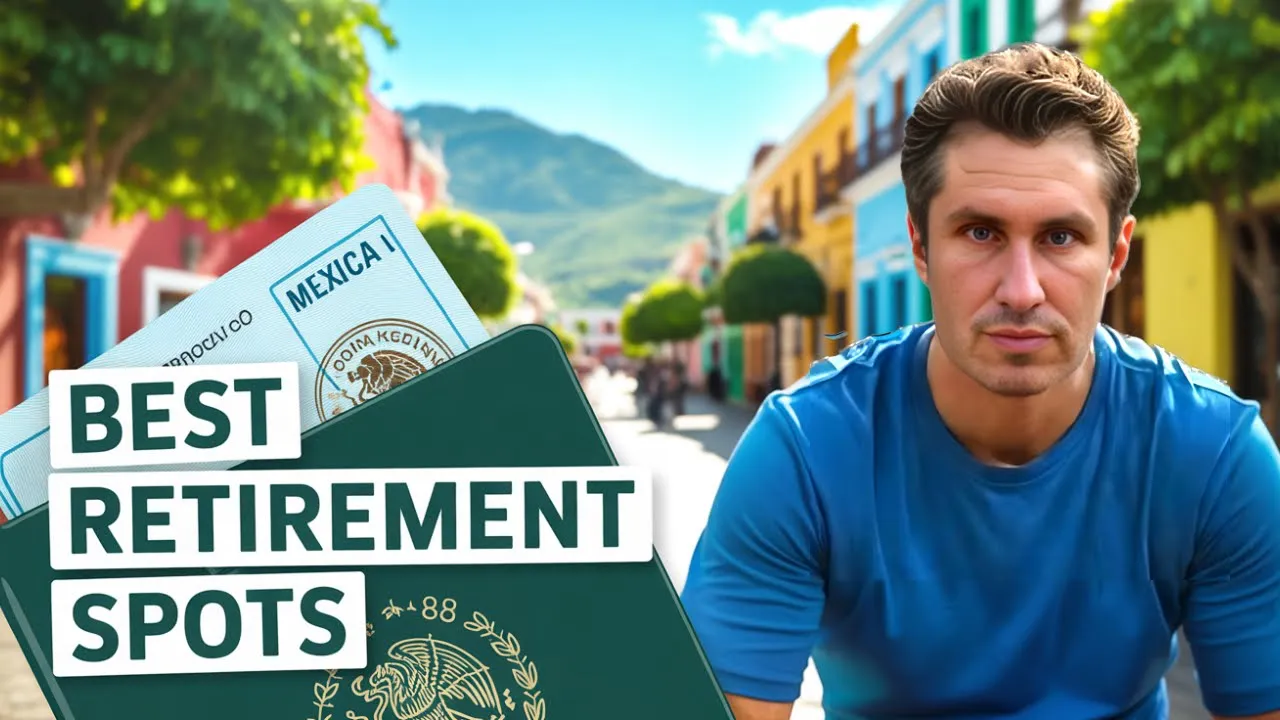
Here is an example of a video discussing your retirement options. This time, I discuss Mexico.
Why Retiring Abroad Is an Appealing Option
Retiring abroad offers a practical opportunity to make your retirement savings stretch further, improve your lifestyle, and open yourself to unique experiences. Many find the balance between cost, quality of life, and cultural discovery motivates this important decision.
Financial Benefits of Living Abroad
One of the strongest reasons I consider retiring abroad is the significantly lower cost of living in many countries. Expenses such as housing, food, and transportation can be a fraction of what they are in the U.S., allowing me to maintain or even improve my lifestyle with less money. Also, I am starting many online businesses such as YouTube and this website. Each of those can be continued from whatever country I choose.
Healthcare costs are often lower as well, and many countries provide quality medical services at a reduced rate compared to the U.S. This financial advantage also helps with retirement savings and managing fixed incomes. However, I remain mindful of the need to carefully plan for taxes, visas, and health insurance to avoid unexpected expenses.
Lower everyday costs combined with access to affordable healthcare make retiring abroad a financially sound choice. For more details, see the financial advantages of retiring abroad.
Enhanced Quality of Life in Retirement
Living abroad can improve my quality of life through access to climates better suited to my health and preferences. Many retirees seek countries with mild weather year-round, which can reduce issues like seasonal affective disorder or chronic pain.
Additionally, I find that the slower pace, community connections, and improved lifestyle options abroad reduce stress and promote well-being. This can include smaller living spaces optimized for comfort, fresh local food, and outdoor activities that might be unavailable in my previous environment.
Making the move also often means better access to amenities geared toward retirees, including social clubs and healthcare tailored to older adults. This helps transform the golden years into a more fulfilling and active phase. For more on lifestyle improvements while retiring abroad, visit reasons to live abroad for a better lifestyle.
Discovering New Cultures and Experiences
Retiring abroad allows me to immerse myself in new cultures, languages, and traditions. This exposure breaks the routine and keeps life interesting and engaging during retirement. It can mean exploring historic towns, trying new cuisines, and celebrating local customs.
Cultural experiences abroad also provide a sense of adventure and personal growth. Meeting locals and other expats broadens my social circle and helps me develop a deeper understanding of the world. This connection to a different community often becomes an enriching part of retirement life.
For those interested in adventure and cultural enrichment alongside financial benefits, retiring abroad opens doors to experiences impossible when staying within one’s home country. More on these enriching aspects can be found at retirees discovering cultures abroad.
Understanding the Financial Advantages
Retiring abroad can offer clear financial benefits that directly impact my retirement lifestyle and long-term plans. Lower daily expenses, smarter use of savings, and the freedom to travel more often are critical factors I consider when thinking about living overseas.
Maximizing Retirement Savings Overseas
One of the biggest financial advantages is how far my retirement savings can stretch in a lower-cost country. Many popular retirement destinations have a significantly reduced cost of living compared to the U.S., meaning my fixed income or pension can cover more expenses.
I must also understand tax treaties and whether my retirement income faces double taxation. Proper planning ensures I keep as much as possible of what I earn. Banking options and currency exchange rates also play a role in maximizing my funds abroad.
Making informed decisions about residency and local financial regulations helps me protect and grow my savings while adapting to a new environment.
Affordability and Cost of Living Differences
The affordability of goods and services is a major reason I consider retiring outside my home country. Everyday costs like housing, groceries, and healthcare can be 30-60% cheaper in many international retirement spots.
For example, renting a comfortable apartment or buying property in a country with a lower cost of living often requires only a fraction of what it costs back home. Healthcare expenses are frequently more affordable, too, even with private insurance.
This price gap means I can maintain or improve my quality of life without increasing my budget. By comparing local expenses, I find places where my money works harder and lasts longer.
Stretching Your Budget for Travel and Leisure
Retiring abroad gives me the chance to allocate more funds toward experiencing new places without stress over overspending. Since everyday life costs less, I can dedicate a bigger portion of my budget to travel, dining out, and cultural activities.
Many expats take advantage of affordable regional flights and convenient transportation to explore nearby countries. This lifestyle enriches retirement beyond the basics and adds value I wouldn’t get by staying put.
I plan my budget to balance local living costs with discretionary spending. By shifting priorities, retiring overseas allows me to enjoy leisure options I might otherwise forego. This flexibility is a key appeal of retiring abroad.
For more detailed planning on financial aspects of retiring overseas, see Financial Considerations When Retiring Abroad and The Pros and Cons of Retiring Abroad: A Financial Perspective.
Popular Expat Destinations and Their Appeal
Choosing where to retire abroad involves weighing factors like financial requirements, quality of life, and community. I consider how certain countries balance affordability, climate, and access to healthcare when evaluating options. Understanding what makes a location attractive can help you decide where you’ll feel most comfortable.
Top Countries for Retiring Abroad
Some countries stand out for retirees due to favorable costs of living, visa policies, and healthcare access. Portugal, for example, offers a low income requirement—around $17,000 per year for couples—and a growing expat community. Mexico and Costa Rica attract retirees with warm climates and affordable healthcare.
Uruguay and Panama also provide strong retiree benefits like tax incentives and medical services tailored for foreigners. Each of these countries ranks highly when considering safety, ease of residency, and lifestyle perks. You can explore the detailed list of the best places to retire abroad in 2025 at Forbes for more specifics.
Climate and Lifestyle Considerations
Climate heavily influences how enjoyable retirement abroad will be. Many retirees seek temperate or tropical weather to avoid harsh winters and enjoy outdoor lifestyles. Coastal areas in Portugal and Costa Rica, for instance, offer pleasant year-round temperatures and outdoor activities. I prefer cooler climates, so enjoy the opportunity to live in an area cooler than Southern California.
Lifestyle choices also matter. Some prefer a slower pace with access to nature, while others want vibrant cultural scenes, such as those found in Portugal’s Lisbon or Mexico’s coastal towns. Consider your tolerance for humidity, rainy seasons, and how climate affects health conditions.
Community and Expat Support Networks
Feeling connected is crucial when living abroad. Countries with established expat communities offer social clubs, healthcare support, and services that ease integration. Portugal’s international pockets provide language classes, healthcare assistance, and community events.
Mexico and Costa Rica have large retiree populations, which means reliable networks for companionship and day-to-day help. Newcomers often find resources ranging from online expat groups to local meetups. Such support systems make transitioning smoother and reduce isolation risks while living abroad.
Practical Considerations for Moving Abroad

Before making the decision to retire abroad, it’s essential to address several practical matters to ensure a smooth transition. These include obtaining the correct legal status, securing reliable healthcare, and planning for financial and lifestyle stability over the long term.
Visa and Residency Requirements
Securing the right visa is the first critical step when moving abroad. Different countries have varied visa options for retirees, ranging from temporary tourist stays to long-term residency permits. I needed to research specific requirements such as proof of income, health insurance, and background checks.
Many retirement visas require you to demonstrate a steady income or substantial savings, sometimes with minimum thresholds. For instance, countries like Portugal and Mexico often require proof of a pension or passive income. Visa duration and renewal rules can differ widely, so staying on top of application deadlines and potential legal changes is key.
Planning ahead for visa interviews and paperwork reduces stress. I found it helpful to consult official consulate websites or immigration specialists to ensure all documentation is accurate before submission.
Healthcare and Insurance Options
Access to quality healthcare is non-negotiable when retiring abroad. I examined which countries offer affordable, reliable medical services and what types of health insurance plans are available for foreigners.
Many retirees save money due to lower medical costs overseas, but private insurance or local health plan enrollment is often necessary. In some countries, national health systems cover residents, but eligibility usually requires legal residency status.
I always recommend obtaining international health insurance plans while waiting for residency-based coverage to begin. Checking if the insurance covers chronic conditions or emergencies helps avoid unexpected expenses.
It’s important to verify how close and equipped medical facilities are, especially if you have ongoing health needs. Rural locations may have access challenges, so proximity to hospitals is a factor I considered carefully.
Planning for Long-Term Stability
Beyond initial relocation, I planned for continued financial and lifestyle stability. Currency exchange fluctuations can affect retirement budgets, so diversifying income sources or maintaining accounts in multiple currencies is advisable.
Setting up local banking and understanding tax obligations in both your home country and your new residence is critical to avoid penalties. Double taxation agreements often apply but require careful handling.
I also thought about the emotional and social adjustments, like staying connected with family and adapting to cultural differences. Preparing contacts, language learning, and exploring local communities all contribute to long-term wellbeing abroad.
Managing estate planning and wills in the host country ensures my assets are protected and accessible if needed. These practical steps made my retirement move more secure and manageable. For detailed information on these considerations, you can refer to Retiring Abroad: Pros, Cons, and Considerations.
Embracing Cultural Integration and Adventure

Living abroad pushes me to embrace new cultural experiences actively. I navigate daily life shaped by different customs, and I find ways to connect with locals and expand my knowledge. This keeps my retirement stimulating and rewarding beyond financial or climate benefits.
Adapting to a New Way of Life
Adjusting to a new culture requires more than learning the language—I need to understand local social norms and daily routines. Simple actions, like greeting neighbors in their style or respecting meal times, help me blend in. This adaptation reduces culture shock and builds my comfort in unfamiliar surroundings.
I also prepare for challenges such as different healthcare practices or bureaucratic processes. Gathering information beforehand and seeking advice from expatriates smooths these transitions. Embracing these changes means accepting that my previous lifestyle will evolve as I live abroad.
Building Meaningful Connections
Creating a support network is essential when living abroad. I focus on meeting locals and other retirees through clubs, community events, or language classes. This helps me form friendships that provide social support and deeper cultural insights.
By engaging in local traditions and festivals, I break down barriers and signal openness. I find that genuine interaction encourages reciprocal hospitality, which enriches my experience. These connections counter loneliness and foster a sense of belonging.
Lifelong Learning Opportunities
Retirement abroad offers endless chances to learn. I approach every day as a classroom where I can improve language skills, try new cuisines, or explore traditional arts and music. For example, attending local markets or cultural performances teaches me about the region’s history and values.
This ongoing learning keeps my mind sharp and nourishes my curiosity. It also helps me view the new culture not as an obstacle but as an intriguing journey. Investing time in understanding local customs improves my integration and enjoyment of life abroad.
Is Retiring Abroad Right for You?
Deciding to retire abroad means assessing your personal values, anticipating challenges, and gathering information that will shape your golden years. Careful consideration helps avoid surprises and ensures the lifestyle you choose matches your long-term goals.
Evaluating Your Personal Goals and Priorities
I need to clarify what matters most to me during retirement. This includes thinking about climate preferences, healthcare quality, and lifestyle pace. For example, some seek warm weather year-round, while others prioritize access to advanced medical facilities.
Cost of living is also a major factor. Retiring abroad can offer financial advantages, but I must balance savings with safety and comfort. Language and cultural differences matter, too. Am I looking for immersion or a more familiar environment? Knowing my priorities helps narrow down suitable countries and communities.
Navigating Potential Challenges
Living abroad in retirement comes with practical hurdles. I must address visa requirements, healthcare coverage, and tax implications early. Some countries require specific documentation that can take months to obtain. Understanding local laws about property ownership and residency rules is essential.
Unexpected issues like language barriers or bureaucratic delays can affect daily life. Planning a trial stay before fully relocating can reveal challenges in a controlled way. I also consider how far I want to be from family and friends, balancing adventure with support networks.
Making Informed Decisions for the Future
To make sound decisions, I gather detailed information from multiple sources. I research cost breakdowns, healthcare standards, and safety records of prospective retirement destinations. Direct conversations with expatriates or retirees in target countries give real insights.
I create a checklist focused on financial, legal, and social factors. This might include monthly budget estimates, insurance options, and emergency plans. Testing the environment by spending months abroad first can prevent costly mistakes. Solid preparation turns the dream of retiring abroad into a manageable, rewarding reality.
For more on weighing pros and cons, see Retiring Abroad: What to Know Before You Go.